R4 Hydraulic Hose
We offer R4 hydraulic hoses designed for high-pressure applications. Made with a thermoplastic cover and multiple reinforcement layers, our hoses provide excellent flexibility, abrasion resistance, and durability. Ideal for use in industries such as construction and agriculture, they ensure reliable fluid transfer and long-lasting performance under demanding conditions.
Get Your Desired R4 Hydraulic Hose
Our R4 hydraulic hoses offer superior flexibility, durability, and resistance to abrasion. Perfect for industries like construction and agriculture, they ensure reliable fluid transfer and long-lasting performance even in tough environments. Order today for reliable, high-performance hoses tailored to your needs!
All R4 Hydraulic Hoses
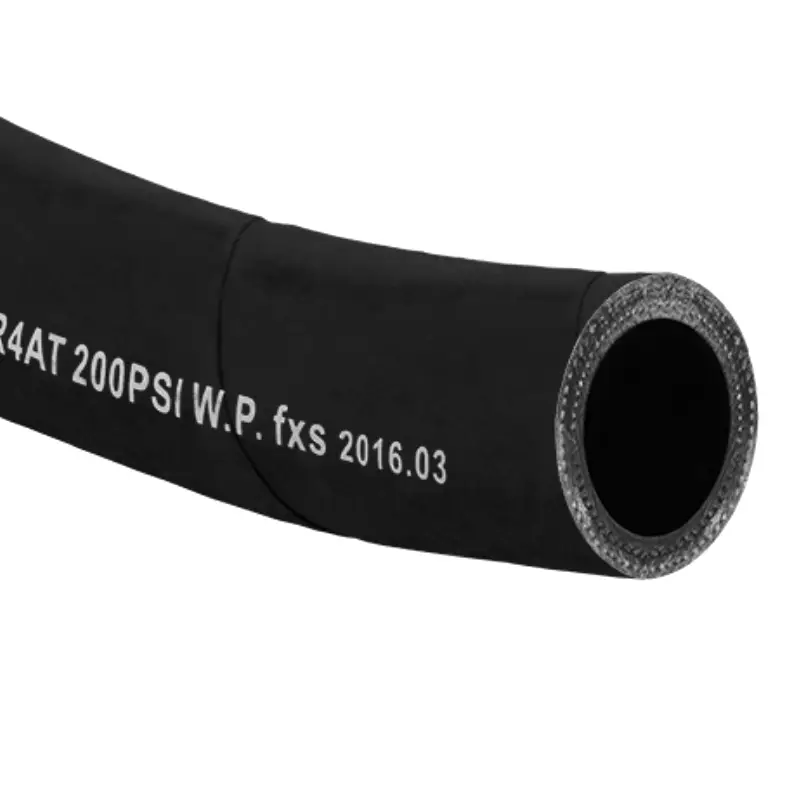
SAE 100R4 hydraulic hoses
We offer SAE 100R4 hydraulic hoses, built for high-performance in suction and return lines. Our hoses are reinforced with textile braids and a thermoplastic cover, ensuring flexibility, durability, and resistance to abrasion. Ideal for various industrial applications, we guarantee long-lasting, reliable fluid transfer under both low and high-pressure conditions.
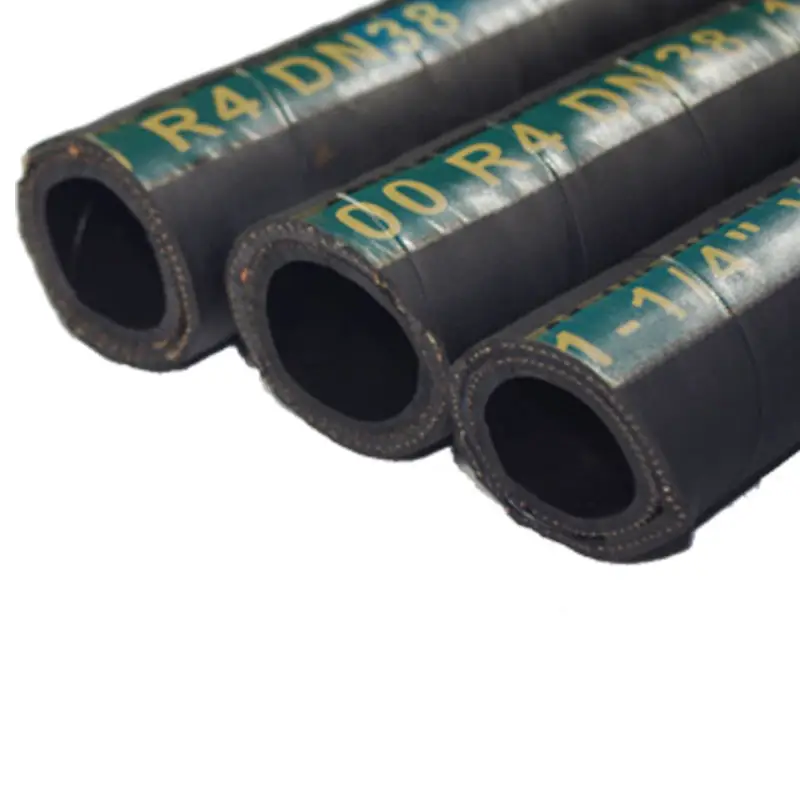
High-Temperature R4 Hydraulic Hose
We offer high-temperature R4 hydraulic hoses, built to withstand extreme heat while maintaining flexibility and durability. Designed for high-pressure applications, our hoses provide reliable fluid transfer in challenging conditions. With excellent resistance to abrasion and temperature extremes, our high-temperature R4 hydraulic hoses are perfect for demanding industrial environments.
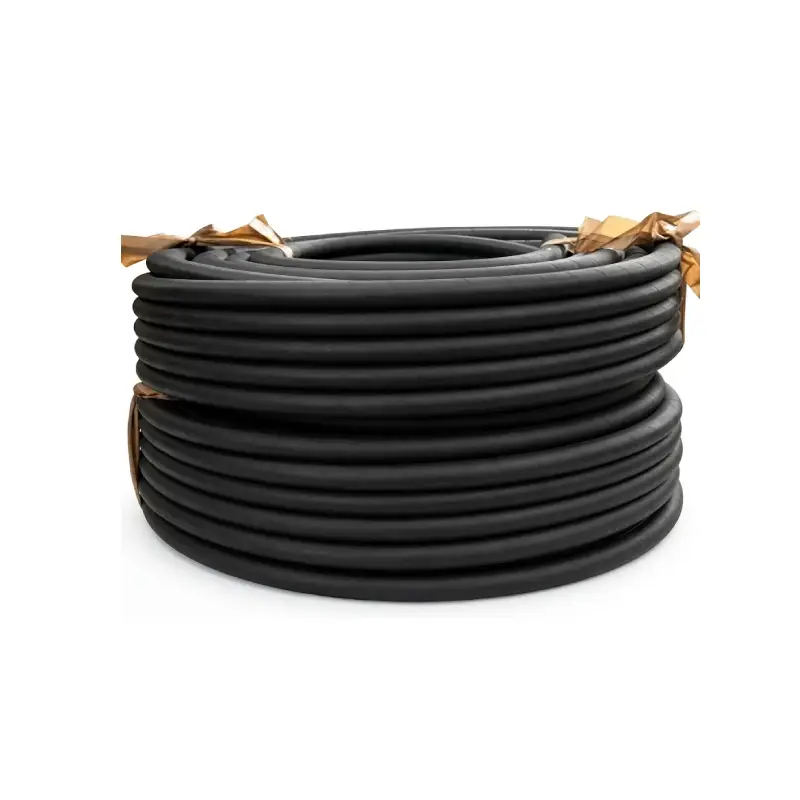
Oil and Chemical-Resistant R4 Hydraulic Hose
We offer oil and chemical-resistant R4 hydraulic hoses, designed to handle tough industrial applications. Our hoses are built with advanced materials that provide excellent resistance to oils, chemicals, and abrasion. Perfect for fluid transfer in challenging environments, we ensure reliable performance and long-lasting durability for your equipment and systems.
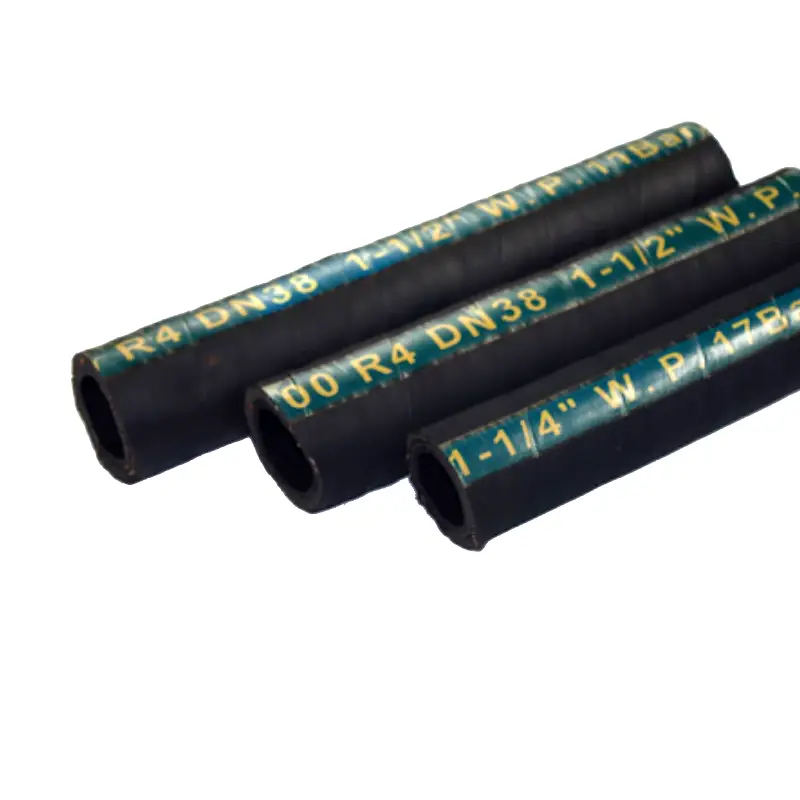
DN38 R4 Hydraulic Hose
We supply DN38 R4 hydraulic hoses, designed for high-pressure fluid transfer in industrial and construction applications. Made with durable materials and reinforced with textile braids, our hoses offer excellent flexibility, abrasion resistance, and long-lasting performance. Ideal for demanding environments, we ensure reliable and safe operation in various hydraulic systems.
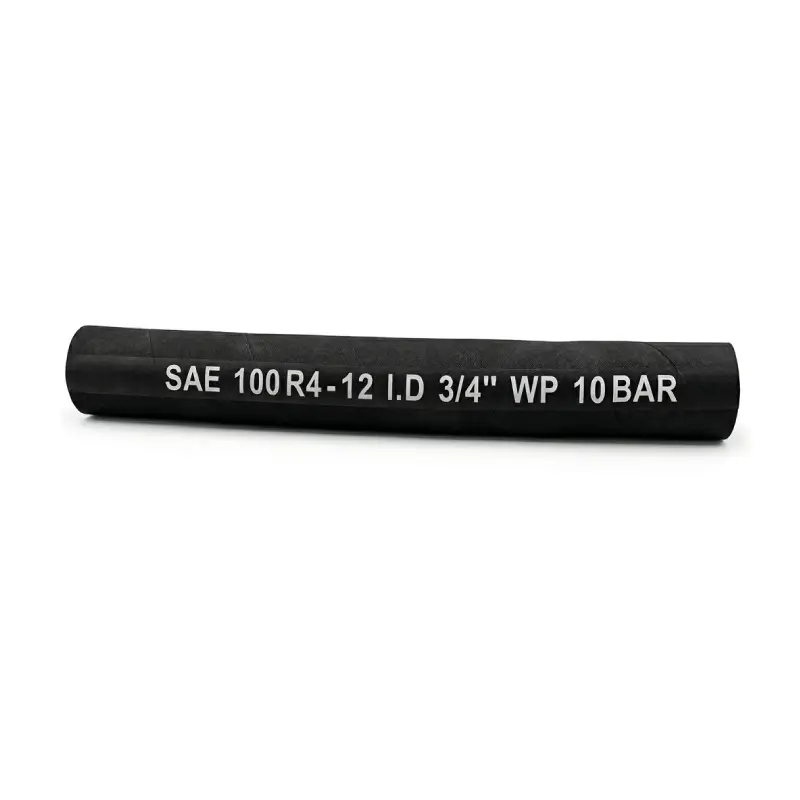
10Bar R4 Hydraulic Hose
We supply 10 Bar R4 hydraulic hoses, designed for medium-pressure fluid transfer in hydraulic systems. With multiple layers of reinforcement and excellent resistance to abrasion, our hoses offer flexibility, durability, and reliable performance. Ideal for various industrial and agricultural applications, they ensure safe, efficient fluid transfer in demanding environments.
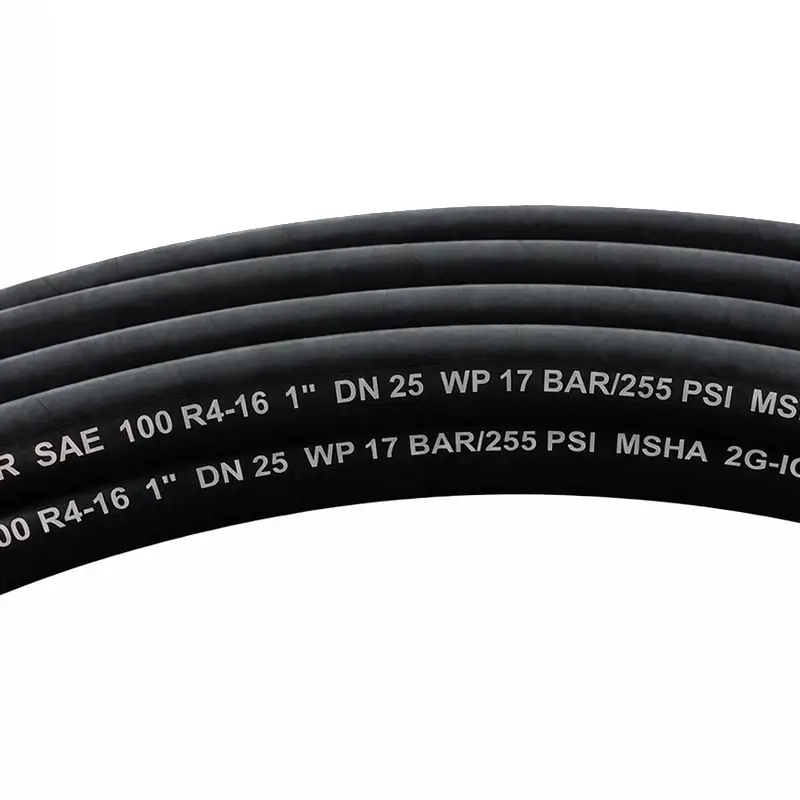
DN25 SAE 100R4 Hydraulic Hose
We offer DN25 SAE 100R4 hydraulic hoses, designed for medium-pressure applications. Made with durable materials, our hydraulic hoses provide excellent flexibility, resistance to abrasion, and reliable performance. Ideal for industrial and construction equipment, we ensure these hoses deliver safe and efficient fluid transfer under demanding conditions for long-lasting operation.
Custom R4 Hydraulic Hose Wholesale
Material Selection
We offer a variety of materials for the hose construction, including thermoplastic and synthetic rubber. These materials are designed to provide maximum flexibility, heat resistance, and resistance to oils and chemicals, ensuring your R4 hydraulic hoses can handle tough environments while maintaining durability and performance.
Reinforcement Layers
We provide different reinforcement layers to enhance the strength and durability of the hose. Whether you need a single or multiple layers of braided steel or textile, we offer the right reinforcement to ensure that the hose can handle high pressures without compromising its flexibility or resistance to wear.
Pressure Rating
We customize the pressure rating of our R4 hoses to match the demands of your specific application. Whether you need a hose for low or high-pressure tasks, we ensure that the hose is rated appropriately, giving you peace of mind and reliable fluid transfer under varying pressure conditions.
Length and Fitting Options
We offer customization in hose length and fitting types to ensure seamless integration into your hydraulic system. From crimped to threaded fittings, we tailor the length and connection points to meet your specific needs, providing a perfect fit for your equipment and ensuring smooth operation without leaks.
What is R4 hydraulic hose?
R4 hydraulic hose is a high-pressure hose designed for fluid transfer in hydraulic systems. It features a thermoplastic or synthetic rubber construction with multiple layers of reinforcement, such as textile braids, to provide excellent durability, flexibility, and resistance to abrasion.
Commonly used in construction, mining, and industrial equipment, R4 hoses ensure reliable performance under demanding conditions.
What is "DN" in hydraulic hose?
“DN” in hydraulic hoses stands for “Nominal Diameter” and is a standard measurement used to describe the internal diameter of the hydraulic hose.
It is typically expressed in millimeters and helps ensure compatibility between the hose and fittings. For example, in DN25, the “25” indicates the hydraulic hose has a nominal internal diameter of 25 millimeters.
What is R4 hydraulic hose used for?
The R4 hydraulic hose is primarily used in high-pressure hydraulic systems, offering strength, flexibility, and durability. Designed for industrial and heavy-duty applications, it handles fluid transfer in demanding environments.
Here are its common R4 hydraulic hose uses:
Construction Equipment: Used in machinery like excavators and cranes, providing reliable fluid transfer under high-pressure conditions and offering flexibility for heavy-duty operations.
Agricultural Machinery: Found in tractors and harvesters, ensuring long-lasting performance under harsh conditions while handling hydraulic systems that require high pressure.
Mining Equipment: Common in mining machinery such as drills and loaders, withstanding abrasive materials and extreme temperatures for reliable performance in demanding environments.
Oil and Gas Industry: Utilized for fluid transfer in exploration and extraction equipment, offering durability and wear resistance for high-pressure drilling and production processes.
What types of fluids can R4 hydraulic hose convey?
R4 hydraulic hoses are designed to convey a wide range of fluids in high-pressure hydraulic systems.
They are built to handle various types of liquids, making them versatile for multiple industrial applications.
Here are the types of fluids R4 hoses can convey:
- Oil-based Fluids: Capable of transferring mineral oils, hydraulic oils, and petroleum-based fluids, offering resistance to wear and chemical degradation for safe fluid transfer.
- Water-based Fluids: Suitable for water-glycol mixtures and other water-based fluids, ensuring reliable operation without corrosion or pressure loss in hydraulic systems.
- Chemical Fluids: Handles water-based solvents, detergents, and some chemicals, built to resist chemical reactions for industries like mining and manufacturing.
- Grease and Lubricants: Effectively conveys grease and lubricants, ensuring consistent fluid flow to lubrication systems while offering abrasion resistance for continuous performance.
How to choose right hydraulic hoses?
Choosing the right hydraulic hose is essential for ensuring the performance and safety of your equipment. The correct hose must meet the pressure, temperature, and environmental conditions of your specific application.
Here are key factors to consider:
Pressure Rating: Select a hose that can safely handle the maximum operating pressure to avoid hose failure, leaks, or accidents in high-pressure environments.
Temperature Range: Choose a hose that can withstand high and low temperatures without becoming brittle or losing flexibility, ensuring reliable performance in extreme conditions.
Fluid Compatibility: Ensure the hose is resistant to the specific fluids being transferred, preventing degradation, leaks, and contamination in hydraulic systems.
Reinforcement Layers: Choose hoses with appropriate reinforcement, such as steel wire or textile braids, to provide strength and prevent bursting under pressure.
Environmental Resistance: Select hoses that offer protection against UV rays, abrasion, and chemicals to ensure longevity and reliable performance in tough conditions.
Quote R4 Hydraulic Hose Wholesale
We provide R4 hydraulic hoses at wholesale prices, designed for high-pressure applications. Our R4 hoses offer superior flexibility, durability, and resistance to abrasion. Ideal for industrial, construction, and agricultural uses, we ensure reliable fluid transfer and long-lasting performance in demanding environments. Contact us for competitive pricing and bulk orders.