Hydraulic Suction Hose
A hydraulic suction hose is a critical component in any hydraulic system, specifically engineered to draw hydraulic fluid from a reservoir to the pump. Unlike pressure hoses, suction hoses operate under vacuum conditions, demanding a unique construction that prevents collapse while maintaining flexibility. Their robust design, often featuring wire reinforcement, ensures uninterrupted fluid flow, which is essential for the efficient and safe operation of machinery in diverse industries like construction, agriculture, and manufacturing. Selecting the correct hydraulic suction hose is vital for preventing cavitation in the pump and ensuring the longevity of the entire hydraulic system, guaranteeing reliable performance.
Get Your Desired Hydraulic Suction Hose
Understanding the role of a hydraulic suction hose is fundamental for optimizing hydraulic system performance. This guide provides an in-depth look at these essential components, which are designed to efficiently draw fluid from reservoirs to pumps under vacuum. We explore their unique construction, focusing on features that prevent collapse and ensure consistent flow, critical for avoiding pump cavitation and extending system life.
All Hydraulic Suction Hoses
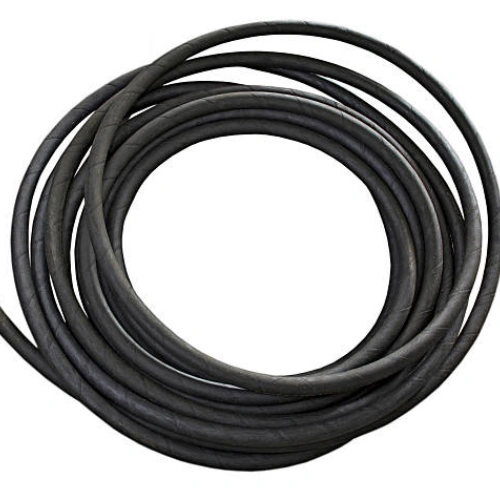
1 1/4 Hydraulic Suction Hose
The 1 1/4 hydraulic suction hose is a commonly specified size, ideal for a wide range of medium-duty hydraulic systems where efficient fluid transfer is crucial. Its diameter ensures adequate flow to pumps without causing cavitation, making it suitable for many industrial, agricultural, and mobile equipment applications. Manufacturers design this hose to offer a balance of flexibility and crush resistance, often incorporating wire reinforcement. Choosing a 1 1/4 hydraulic suction hose ensures reliable performance and contributes to the longevity of your hydraulic pump and overall system.
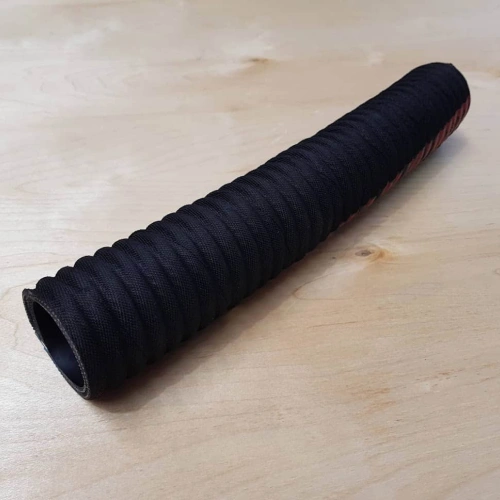
1 Hydraulic Suction Hose
A 1 hydraulic suction hose provides essential fluid conveyance for compact to medium hydraulic systems. This size is particularly effective in applications requiring precise fluid delivery without excessive bulk, common in smaller machinery or return lines. Engineered to withstand vacuum conditions, a 1 hydraulic suction hose prevents pump cavitation by maintaining consistent fluid flow. Its design typically includes robust reinforcement, ensuring durability and preventing collapse under suction, which is vital for the continuous and efficient operation of various hydraulic power units.
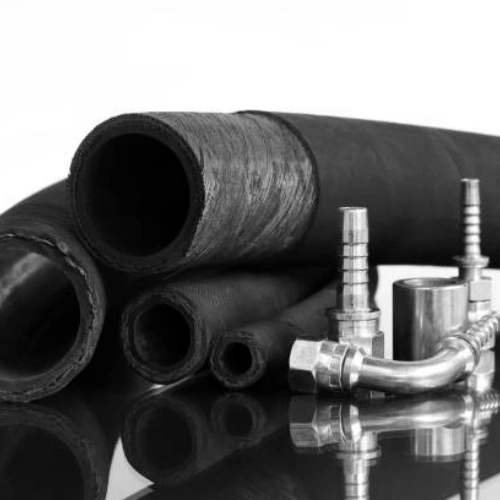
1 1/2 Hydraulic Suction Hose
The 1 1/2 hydraulic suction hose is a robust choice for systems requiring higher flow rates and superior fluid intake. This larger diameter is frequently found in heavier machinery and industrial setups where pumps demand a substantial, uninterrupted supply of hydraulic fluid. Designed with strong internal reinforcement, a 1 1/2 hydraulic suction hose effectively resists collapse under vacuum, preventing cavitation and safeguarding pump integrity. Its use ensures optimal system performance, making it a reliable component for demanding fluid transfer applications.
2 Inch Hydraulic Suction Hose
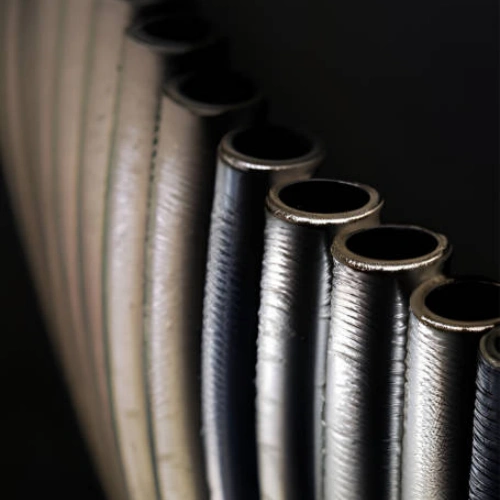
A 2 inch hydraulic suction hose is crucial for large-scale hydraulic systems that demand very high flow capacities. Common in heavy construction equipment, large industrial presses, and marine applications, this size ensures that powerful pumps receive an ample and uninterrupted supply of hydraulic fluid. Engineered for maximum vacuum resistance, a 2 inch hydraulic suction hose typically features robust multi-ply reinforcement or a strong wire helix to prevent collapse and kinking, thereby protecting expensive pumps from cavitation and ensuring peak operational efficiency.
3/4 Hydraulic Suction Hose
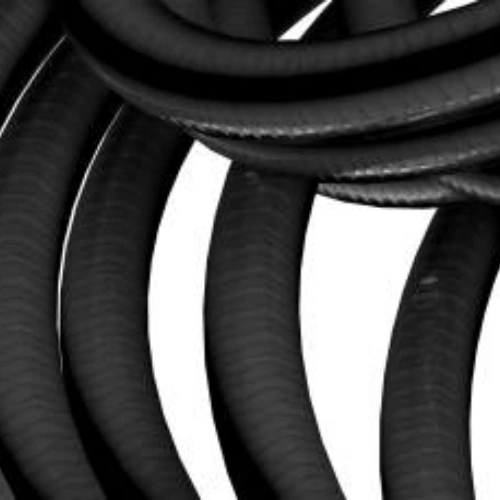
The 3/4 hydraulic suction hose is ideal for smaller, more compact hydraulic systems or those with lower flow requirements. Its smaller diameter offers excellent flexibility, making it easy to route in confined spaces, common in light machinery, agricultural implements, or auxiliary hydraulic circuits. Despite its size, a 3/4 hydraulic suction hose is engineered with sufficient reinforcement to prevent collapse under vacuum, ensuring a consistent fluid supply to the pump. This contributes to the longevity and smooth operation of smaller-scale hydraulic power units.
Hydraulic Suction Hose Clamps
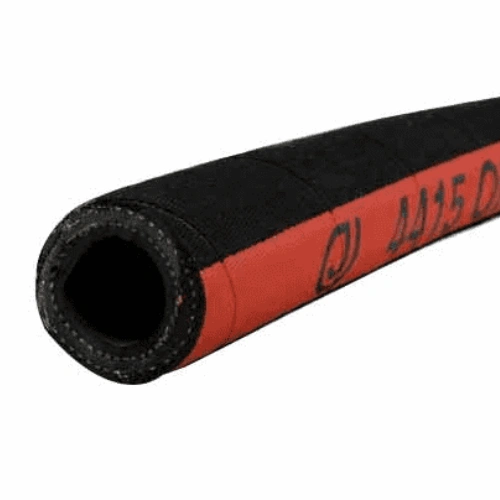
Hydraulic suction hose clamps are essential components for securely attaching a hydraulic suction hose to its fittings. Unlike pressure clamps, suction hose clamps must provide a very tight, reliable seal to prevent air ingress, which could lead to pump cavitation and system damage. They are typically heavy-duty, often featuring robust designs like spiral or T-bolt clamps, ensuring the connection withstands the vacuum conditions and vibrations of the system. Proper hydraulic suction hose clamps are critical for maintaining system integrity and preventing costly fluid contamination or pump failure.
Hydraulic Suction Hose Fittings
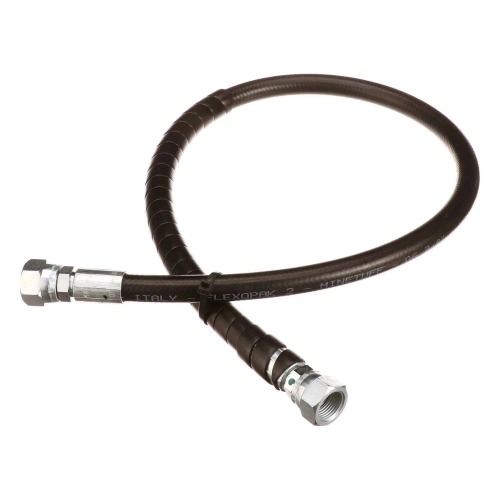
Hydraulic suction hose fittings are vital for connecting a hydraulic suction hose to the pump inlet and reservoir outlet. These fittings are specifically designed to ensure an airtight seal, preventing air from being drawn into the hydraulic system, which would cause pump cavitation. They are often larger and less restrictive than pressure fittings to allow for maximum flow and minimal pressure drop under vacuum. Choosing the correct hydraulic suction hose fittings for material compatibility and connection type is crucial for system efficiency, fluid integrity, and preventing expensive equipment damage.
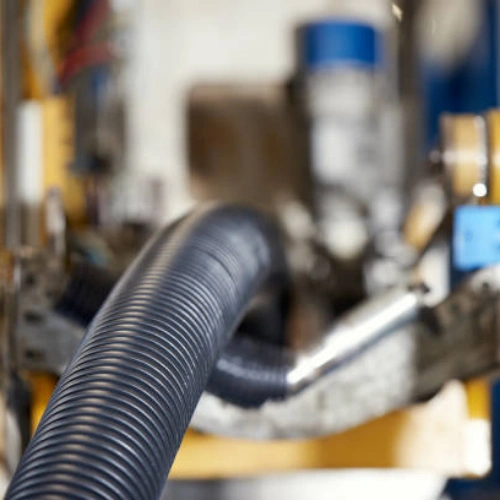
1 3/4 Hydraulic Suction Hose
The 1 3/4 hydraulic suction hose bridges the gap between common 1 1/2 and 2 inch sizes, offering an optimal flow solution for specific mid-to-large capacity hydraulic systems. This less common but crucial diameter is chosen when precise flow rates are required to prevent pump cavitation without over-sizing the hose. Engineered with robust construction and reinforcement, a 1 3/4 hydraulic suction hose provides reliable vacuum resistance. It ensures efficient fluid transfer, supporting powerful hydraulic pumps in applications like heavy equipment, industrial machinery, and specialized fluid handling systems.
Custom Hydraulic Suction Hose Wholesale
Construction and Reinforcement
The construction and reinforcement of a hydraulic suction hose are meticulously designed to withstand vacuum conditions without collapsing. Unlike pressure hoses that manage outward force, suction hoses must resist inward pressure. Typically, they feature a thick, synthetic rubber or thermoplastic inner tube to ensure fluid compatibility and a smooth flow path. Crucially, they incorporate internal reinforcement, often a spiral wire helix or multiple plies of textile braiding. This robust internal structure provides the necessary rigidity and vacuum resistance, preventing kinking or collapse even under severe suction, ensuring continuous fluid delivery to the pump.
Temperature and Pressure Ratings
Understanding the temperature and pressure ratings is crucial for the safe and effective operation of any hydraulic suction hose. While suction hoses primarily operate under vacuum, they must also withstand the fluid’s operating temperature, which can vary significantly depending on the system and environment. Hoses are rated for specific temperature ranges, ensuring the material remains flexible and structurally sound without degrading. Although internal pressure is negative, the external atmospheric pressure is acting on the hose. Manufacturers also specify minimum and maximum working temperatures to prevent material hardening, cracking, or softening, all of which compromise hose integrity and system performance.
Material Compatibility and Fluid Types
Material compatibility and fluid types are paramount when selecting a hydraulic suction hose, as the hose’s inner tube must be resistant to the specific hydraulic fluid being conveyed. Common hydraulic fluids include petroleum-based oils, water-glycol solutions, and synthetic fluids. Hoses are manufactured with various internal linings, such as Nitrile (NBR) for petroleum-based fluids, or EPDM for phosphate esters and water-based fluids, ensuring chemical resistance and preventing degradation of the hose material. Using a hose incompatible with the fluid can lead to material breakdown, contamination, and ultimately system failure, emphasizing the critical role of correct material selection.
Applications and Importance in Systems
Hydraulic suction hoses are vital across a multitude of applications and their importance in systems cannot be overstated. From heavy construction machinery like excavators and bulldozers to agricultural equipment such as tractors, they are indispensable for drawing hydraulic fluid efficiently. In industrial settings, they’re found in manufacturing equipment, presses, and material handling systems. Their primary importance lies in their ability to prevent pump cavitation – a destructive phenomenon caused by insufficient fluid supply. A properly specified and installed hydraulic suction hose ensures a steady, uninterrupted flow to the pump, safeguarding its longevity and maintaining the overall efficiency and reliability of the hydraulic system.
What is the primary function of a hydraulic suction hose?
The main function of a hydraulic suction hose is to safely and efficiently draw hydraulic fluid from the system’s reservoir to the hydraulic pump. It operates under vacuum conditions to ensure a continuous and steady supply of fluid. This consistent flow is crucial for preventing pump cavitation, a damaging phenomenon caused by insufficient fluid supply. Ultimately, a reliable suction hose helps maintain the efficiency, longevity, and overall health of the entire hydraulic system, preventing costly repairs and downtime in various industrial applications.
How is a hydraulic suction hose different from a hydraulic pressure hose?
Hydraulic suction hoses are specifically engineered to resist collapse under vacuum, often featuring internal reinforcement like a spiral wire helix to maintain their form. They handle negative pressure, pulling fluid into the pump. In contrast, hydraulic pressure hoses are designed to withstand high positive internal pressure, pushing fluid through the system. Their reinforcement is built to contain outward forces. Using a pressure hose for suction is generally not recommended as it will likely collapse, leading to pump issues and system failure.
What types of reinforcement are commonly used in hydraulic suction hoses?
Common reinforcement types in hydraulic suction hoses are designed to provide crucial collapse resistance. Wire reinforcement, typically a spiral wire helix, offers superior vacuum performance and crush resistance, making it ideal for heavy-duty applications. Textile reinforcement, consisting of multiple plies of high-strength synthetic fabric, provides good vacuum resistance while offering greater flexibility. The choice depends on the specific application’s vacuum requirements, bend radius needs, and the overall operating environment. Both methods are critical for maintaining the hose’s structural integrity.
What is the most common hydraulic hose?
The most common type of hydraulic hose is generally considered to be rubber hydraulic hoses with braided wire reinforcement, particularly those meeting SAE 100R1 and SAE 100R2 standards.
These hydraulic hoses offer a versatile balance of flexibility, durability, pressure resistance, and cost-effectiveness, making them suitable for a vast array of medium to high-pressure applications across various industries.
Key reasons for their commonality include:
Versatility: They are compatible with a wide range of hydraulic fluids.
Pressure Range: Available in configurations for moderate to high pressures, with SAE 100R1 (single wire braid) for medium pressure and SAE 100R2 (double wire braid) for higher pressures.
Flexibility: The rubber inner tube and braided reinforcement provide good flexibility for routing in diverse machinery.
Durability: The rubber outer cover offers resistance to abrasion, oil, and weather conditions.
Cost-Effectiveness: Generally more affordable than specialized hose types like thermoplastic or PTFE hoses.
Quote Hydraulic Suction Hose Wholesale
Is your project held back by unsuitable hydraulic hoses? Don’t compromise on performance or struggle with ill-fitting components. We offer 3/16 hydraulic hose wholesale, custom-tailored to your exact specifications. Get precise lengths, ideal pressure ratings, and the perfect fittings for seamless integration, ensuring your systems operate with maximum efficiency and reliability, every time.