Hydraulic Hose Assembly
We offer a wide range of hydraulic hose assemblies to suit your specific needs. Our expert team will work closely with you to determine the right hose, fittings, and crimping techniques to ensure a reliable and long-lasting solution. From simple to complex applications, we have the expertise to deliver the perfect hydraulic hose assembly.
Get Hydraulic Hose Assemblies for Your Project
e offer a comprehensive range of hydraulic hose assemblies to meet the demands of your specific project. Our experienced team is dedicated to providing tailored solutions, from simple to complex applications. With a focus on quality and reliability, we ensure optimal performance and longevity for your hydraulic systems.
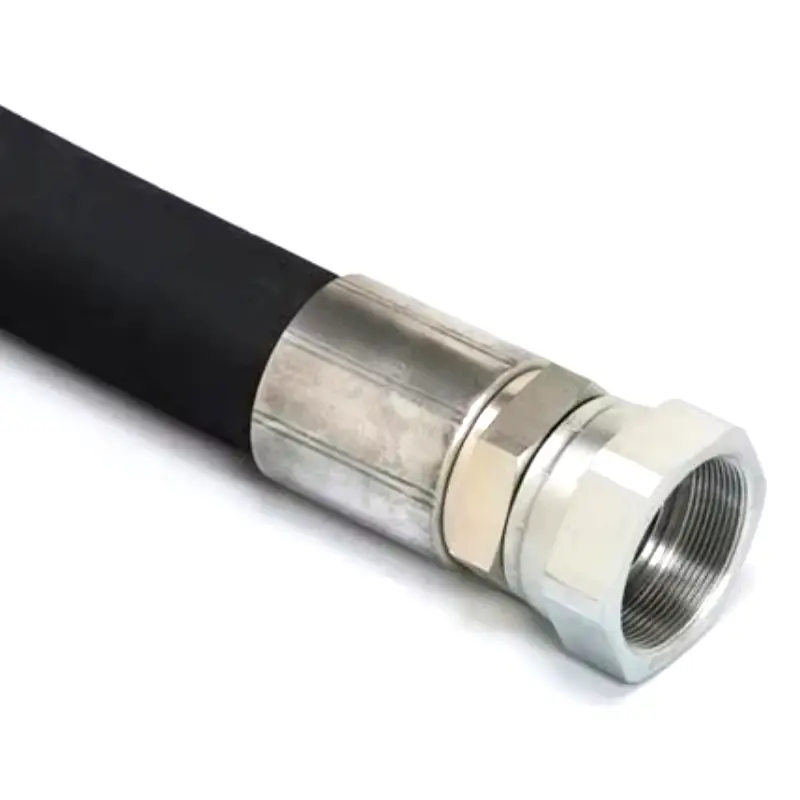
Assembling Hydraulic Hose
We provide comprehensive hydraulic hose assembly services. Our skilled technicians carefully select the appropriate hose and fittings, ensuring compatibility and performance. Using state-of-the-art crimping equipment, we create precise and durable connections. We adhere to industry standards and rigorous quality control measures to deliver reliable and safe hydraulic hose assemblies.
Hydraulic Hose Assembly Procedure
We provide comprehensive hydraulic hose assembly services. Our skilled technicians follow strict procedures to ensure quality and safety. This includes:
- Selecting the appropriate hydraulic hose and fittings
- Cutting the hydraulic hose to precise length
- Inserting the hydraulic hose into the fittings
- Crimping the fittings to secure the connection
- Pressure testing the assembly to verify integrity.
Hydraulic Hose Assemblies Manufacturer
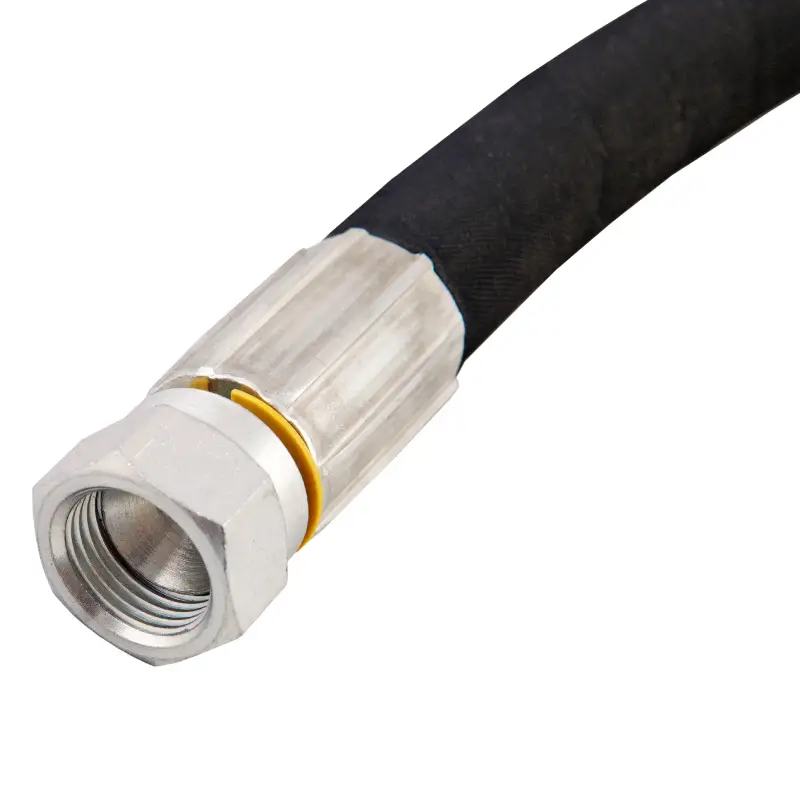
1 4 Hydraulic Hose Assembly
We offer high-quality 1/4″ hydraulic hose assemblies designed for a variety of applications. Our assemblies feature durable hoses and fittings that can withstand high pressure and harsh environments. We provide a range of options to meet your specific needs, including different hose materials, fittings, and lengths.
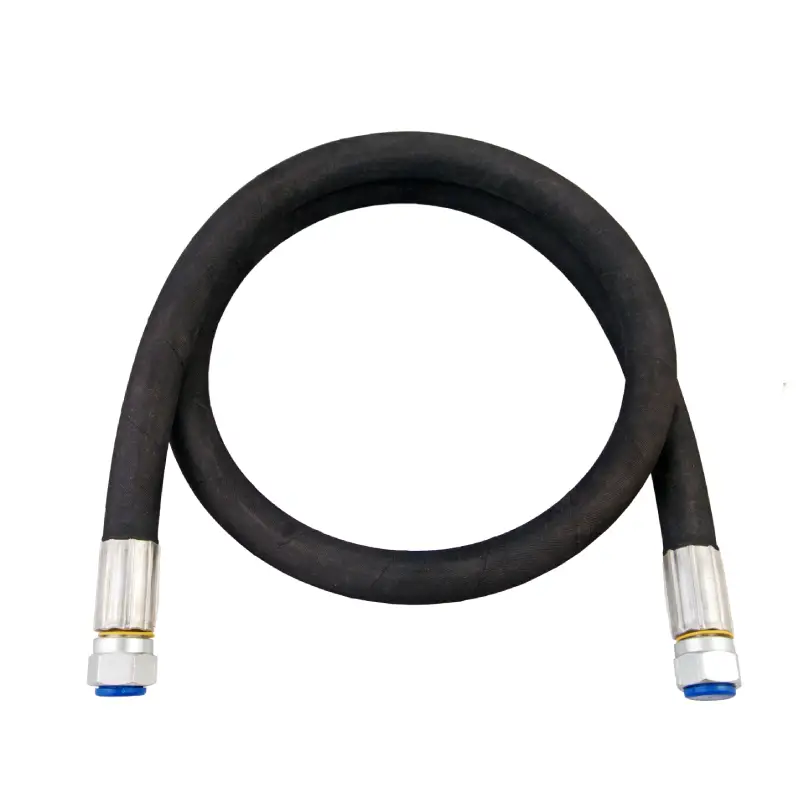
3 8 hydraulic hose assembly
We offer high-quality 3/8″ hydraulic hose assemblies designed to withstand demanding conditions. Our assemblies are constructed using premium materials and precision manufacturing techniques. Whether you need a standard or custom solution, our team can provide a reliable and durable 3/8″ hydraulic hose assembly that meets your specific requirements.
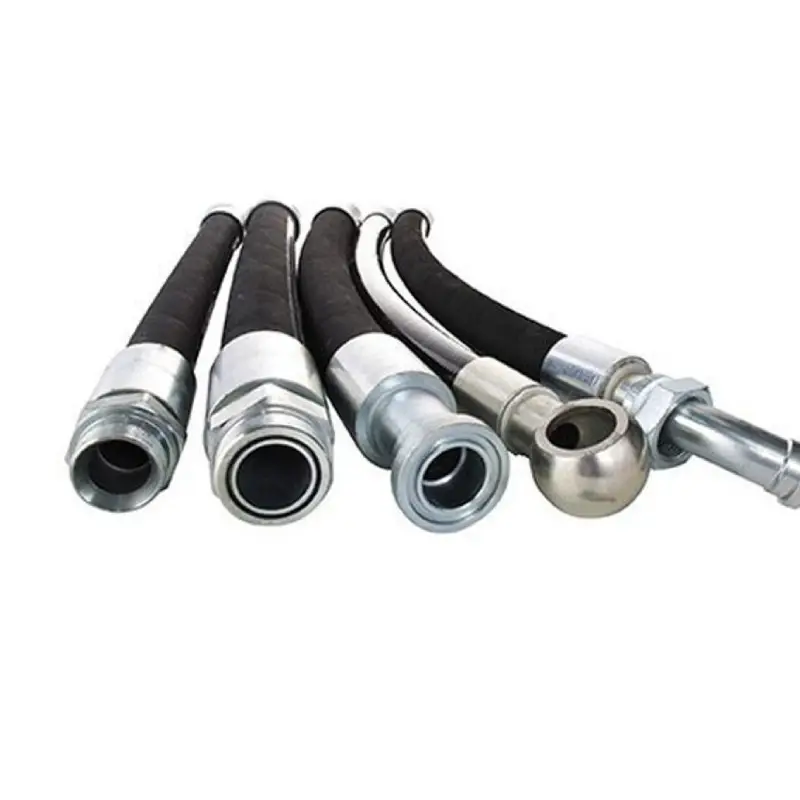
pre made hydraulic hose assemblies
We offer a variety of premade hydraulic hose assemblies to meet your immediate needs. These assemblies are pre-configured with specific hose lengths, fittings, and crimps, saving you time and effort. Whether you need a standard or custom assembly, we have the solution to keep your hydraulic systems running smoothly.
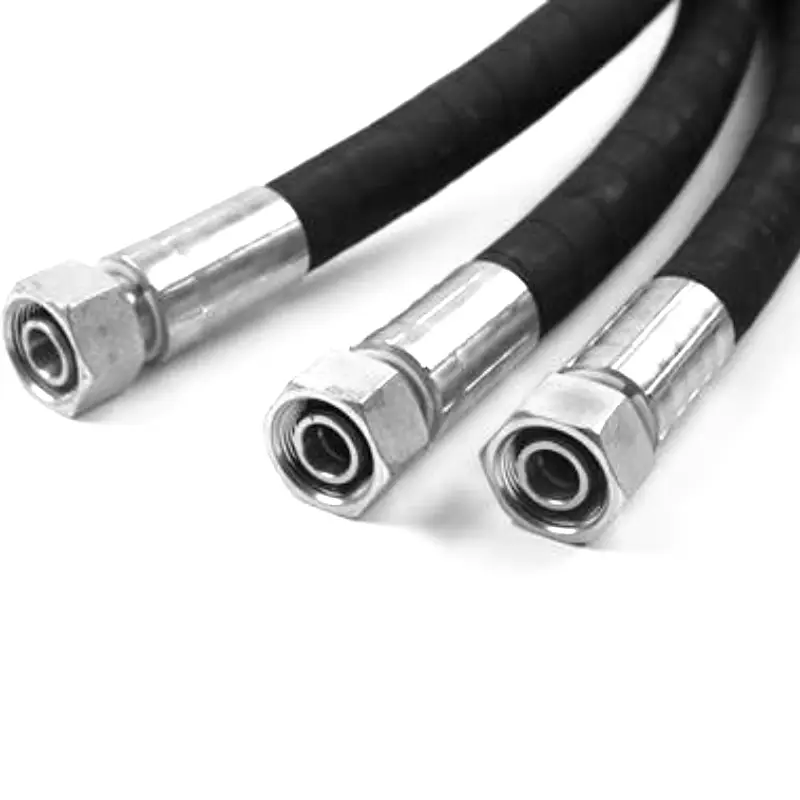
high pressure hydraulic hose assembly
We offer high-pressure hydraulic hose assemblies designed to withstand extreme pressures and demanding conditions. Our assemblies are constructed using premium materials and advanced manufacturing techniques to ensure optimal performance and durability. We can customize our solutions to meet your specific requirements, whether it’s for heavy machinery, industrial equipment, or mobile applications.
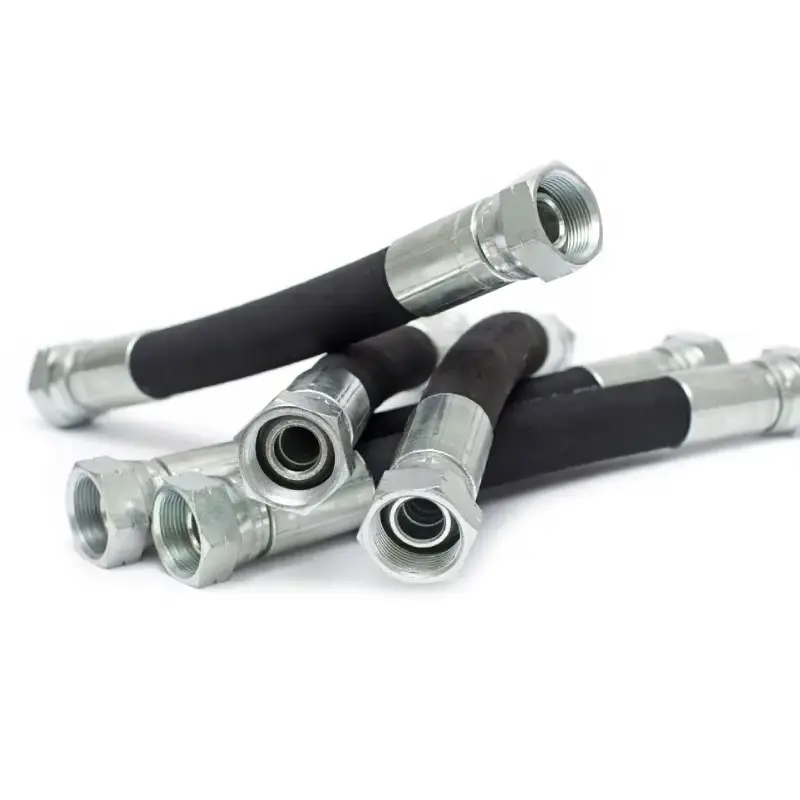
custom hydraulic hose assemblies
We offer custom hydraulic hose assemblies tailored to your specific needs. Our expert team will work closely with you to determine the optimal hose, fittings, and length to ensure a perfect fit. From high-pressure to low-pressure applications, we can create custom assemblies that meet your exact requirements.
Why Choose Our Hydraulic Hose Assembly
Hose Type and Pressure Rating
We help you select the correct hose structure based on working pressure, impulse cycles, and application demands. Whether you need braided, spiral, or thermoplastic hoses, we ensure the pressure capacity matches your system to prevent failure, leakage, or unnecessary over-specification that increases cost.
Fitting Type and Thread Standard
We provide a wide range of fittings including JIC, BSP, NPT, metric, and flange types to match your equipment standards. We ensure correct thread compatibility and sealing design to achieve secure, leak-free connections under vibration and high-pressure working conditions.
Hose Length and Size
We customize hose length and inner diameter according to your installation layout and flow requirements. Proper sizing reduces pressure loss, improves efficiency, and avoids bending stress. Accurate length control also ensures easier installation and better routing within tight or complex equipment spaces.
Branding and Outer Cover Options
We can customize hose printing, brand marking, and outer cover materials based on your market needs. Whether you require specific color coding, abrasion-resistant covers, or private labeling, we help strengthen your brand identity while maintaining performance and durability standards.
what is Hydraulic Hose Spiral Wrap?
Hydraulic hose spiral wrap is a flexible protective sleeve designed to shield hydraulic hoses from abrasion, crushing, and external damage. It is commonly used in construction, mining, agriculture, and industrial hydraulic systems where hoses operate in harsh environments. The spiral design allows easy installation without disconnecting hoses, making maintenance simple and cost-effective.
Abrasion Protection – Hydraulic hose spiral wrap creates a tough outer barrier that protects hoses from constant rubbing against equipment frames, rough surfaces, or other hoses. In demanding worksites such as drilling rigs or heavy machinery operations, this protection significantly reduces wear, extends hose service life, and minimizes unexpected downtime.
Easy Installation – The open spiral structure allows the wrap to be wound around hoses quickly without removing fittings or disconnecting hydraulic lines. This saves labor time during installation or replacement. Maintenance teams can apply or replace protection directly on-site, improving efficiency and reducing operational interruptions.
Bundle Management – Spiral wrap helps organize multiple hydraulic hoses into a neat, compact bundle. This prevents tangling, excessive movement, and friction between hoses during machine operation. Organized hose routing improves equipment appearance, enhances safety, and reduces the risk of premature hose failure.
Impact Resistance – In heavy-duty environments where falling debris, sharp edges, or mechanical impacts are common, spiral wrap provides additional cushioning and structural protection. It absorbs minor impacts and shields hose surfaces from cuts or crushing forces, maintaining system reliability and protecting fluid containment.
Extended Service Life – By reducing abrasion, UV exposure, and mechanical stress, spiral wrap significantly extends the working lifespan of hydraulic hoses. This lowers replacement frequency and overall maintenance costs, especially for companies operating large fleets of hydraulic equipment or industrial systems.
What does Hydraulic hose assembly kit include?
A hydraulic hose assembly kit includes the essential components and tools needed to build or repair hydraulic hose assemblies safely and efficiently. These kits are designed to ensure proper pressure handling, leak prevention, and secure connections.
The exact contents may vary depending on application, but most standard kits include the following key items:
Hydraulic Hose – The hose is the core component that transfers hydraulic fluid under pressure. It is typically made of synthetic rubber with reinforcement layers such as braided steel wire or spiral wire to handle high-pressure environments. Different hose types are selected based on working pressure, temperature range, and fluid compatibility.
Hydraulic Fittings – Fittings connect the hose to pumps, cylinders, valves, or other hydraulic components. They come in various types such as JIC, NPT, BSP, and metric thread standards. Properly matched fittings ensure leak-free connections, correct alignment, and reliable system performance under vibration and pressure fluctuations.
Ferrules or Crimp Sleeves – Ferrules secure the fitting to the hose by compressing tightly around the hose cover and reinforcement layers. They are designed to match specific hose and fitting combinations. Correct crimping dimensions are critical to prevent leakage, hose blow-off, or premature assembly failure during operation.
O-rings and Sealing Components – O-rings provide additional sealing at connection points, especially in ORFS or face seal fittings. Made from materials like NBR or Viton, they help prevent fluid leakage under high pressure and varying temperature conditions, improving the durability and safety of hydraulic systems.
Hose Cutter or Cutting Tool – A proper hose cutter ensures clean, straight cuts without damaging the reinforcement layers. Clean cutting improves crimping accuracy and sealing performance. Specialized hydraulic hose cutting tools reduce contamination inside the hose, which helps maintain fluid cleanliness and system reliability.
Crimping Machine or Hand Crimper – The crimping tool compresses the ferrule onto the hose and fitting assembly to create a permanent connection. Manual, portable, or hydraulic crimpers are available depending on production volume. Accurate crimp diameter control ensures safe pressure handling and long service life.
What are the parts of a hose assembly?
A hose assembly is more than just a flexible tube. It is a complete system designed to safely transfer fluids under pressure while maintaining sealing performance and durability. Each component plays a critical role in strength, flexibility, and leak prevention. Understanding these parts helps ensure proper selection, installation, and long-term hydraulic system reliability.
Inner Tube – The inner tube is the innermost layer of the hose that directly contacts the hydraulic fluid. It is typically made from synthetic rubber or thermoplastic materials resistant to oil, water, or chemicals. Its compatibility with the conveyed medium is essential to prevent swelling, cracking, contamination, or premature hose failure.
Reinforcement Layer – The reinforcement layer provides the hose with strength to withstand internal pressure. It usually consists of braided or spiral steel wire, textile yarn, or a combination of materials. This structure determines the hose’s pressure rating, flexibility, and impulse resistance under dynamic working conditions.
Outer Cover – The outer cover protects the hose from environmental damage such as abrasion, UV exposure, chemicals, oil, and weathering. Made from durable synthetic rubber or thermoplastic compounds, it shields the reinforcement layer and extends service life, especially in harsh industrial or construction environments.
Fittings (End Connections) – Fittings are attached to both ends of the hose to connect it to pumps, cylinders, valves, or machinery. They come in various thread types and standards such as JIC, BSP, or NPT. Properly matched fittings ensure secure, leak-free connections and safe pressure handling.
Ferrule or Crimp Sleeve – The ferrule secures the fitting onto the hose by compressing around the outer layer and reinforcement during the crimping process. Correct crimp dimensions are crucial for maintaining assembly integrity, preventing hose blow-off, and ensuring reliable performance under high-pressure operation.
Sealing Components (O-rings or Seals) – Seals and O-rings provide additional leak protection at connection points, especially in face seal or flange fittings. Manufactured from materials like NBR or Viton, they enhance sealing performance under varying temperatures and pressure cycles, reducing maintenance requirements and system downtime.
How are hydraulic hoses connected?
Hydraulic hoses are connected using specialized fittings and attachment methods designed to handle high pressure, vibration, and demanding working conditions. Proper connection ensures leak-free performance, system safety, and long service life. The connection method depends on hose type, pressure rating, and application requirements in construction, mining, agriculture, or industrial hydraulic systems.
Crimped Fitting Connection – Crimping is the most common method for connecting hydraulic hoses. A fitting is inserted into the hose, and a crimping machine compresses a ferrule tightly around the hose and fitting stem. This creates a permanent, secure bond capable of withstanding high pressure and impulse loads.
Reusable (Field-Attachable) Fittings – Reusable fittings allow hoses to be assembled without specialized crimping machines. The fitting is screwed or mechanically attached onto the hose using basic tools. This method is convenient for on-site repairs, though it is generally recommended for medium-pressure applications rather than extreme high-pressure systems.
Flange Connections – Flange fittings are commonly used in high-pressure and large-diameter hydraulic systems. The hose end is attached to a flange head, which bolts directly to equipment using a flange clamp. This type of connection provides strong sealing performance and stability in heavy-duty industrial environments.
Quick-Connect Couplings – Quick couplings allow rapid connection and disconnection of hydraulic hoses without tools. They are widely used in agricultural machinery and mobile equipment. Internal valves minimize fluid loss and contamination during disconnection, improving efficiency and reducing downtime during equipment changes.
Threaded Connections (JIC, BSP, NPT, Metric) – Threaded fittings connect hoses to hydraulic components using standardized thread types. Proper thread matching and torque tightening are critical to prevent leaks or thread damage. In some designs, sealing is achieved through metal-to-metal contact or additional O-ring seals.
Welded or Swaged Connections – In certain heavy industrial applications, hose fittings may be permanently swaged or welded to specific adapters. This method enhances structural integrity in extreme working conditions where vibration, shock, or ultra-high pressure demands maximum connection strength and reliability.
What is hydraulic hose assembly technician?
A hydraulic hose assembly technician is a trained professional responsible for building, repairing, and testing hydraulic hose assemblies used in industrial and mobile equipment. This role requires technical knowledge of hose specifications, pressure ratings, fittings, and safety standards.
Proper assembly is critical to prevent leaks, equipment damage, and workplace accidents in hydraulic systems.
-
Hose Cutting and Preparation – The technician measures and cuts hydraulic hoses to precise lengths using specialized cutting equipment. Clean, straight cuts are essential to ensure proper fitting insertion and crimp accuracy. They also inspect the hose ends for contamination or damage before proceeding with the assembly process.
-
Fitting Selection and Installation – A technician selects the correct fittings based on hose type, pressure requirements, thread standards, and application needs. They insert fittings properly to avoid misalignment or internal damage. Accurate matching ensures safe operation, prevents leakage, and extends the service life of the hydraulic system.
-
Crimping and Assembly Operation – Using a calibrated crimping machine, the technician compresses ferrules onto the hose and fitting assembly according to manufacturer specifications. Precise crimp diameter control is critical. Incorrect crimping may result in hose blow-off, leakage, or reduced pressure performance during operation.
-
Pressure Testing and Inspection – After assembly, the technician performs pressure or leak testing to verify the hose assembly meets required standards. Visual inspections check for defects, improper crimping, or surface damage. Testing ensures reliability before the hose is installed into hydraulic equipment.
-
Maintenance and Repair Services – Hydraulic hose assembly technicians often provide on-site repair services for damaged or failed hoses. They diagnose issues such as wear, abrasion, or improper installation. Quick and accurate repairs help reduce equipment downtime in construction, mining, agricultural, and industrial applications.
-
Safety Compliance and Documentation – The technician follows strict safety procedures when handling high-pressure components and operating machinery. They may document assembly specifications, crimp data, and test results for quality control. Compliance with industry standards helps ensure consistent performance and operational safety.