Hydraulic hoses are essential components in many mechanical systems, including construction equipment, agricultural machinery, and industrial machinery. However, there may be times when you need to cut a hydraulic hose to repair or replace a damaged section.
This guide will provide you with the necessary steps and safety precautions to safely cut a hydraulic hose.
How to Cut Hydraulic Hose?

Cutting hydraulic hoses properly is essential for clean, leak-free connections, safe operation, and reliable fluid transfer in hydraulic systems. Using the right tools and techniques prevents fraying, crushing, or damage to the hose, ensuring long-lasting performance and easy installation in industrial, automotive, agricultural, or mobile applications.
Tools Needed
- Safety gloves and goggles
- Clean rags or cloth
- Utility knife, hose cutter, or razor blade
- Measuring tape or ruler
- Marker or pen
Step 1: Measure and Mark the Hydraulic Hose
Measure the hydraulic hose carefully to determine the required length for your system. Accurate measurement ensures proper fit, prevents kinks, and maintains efficient fluid flow without placing stress on fittings or the hose. Mark the cutting point clearly with a pen or marker for precision.
Double-check the measurement against system specifications and fittings. Confirming the correct hydraulic hose length before cutting minimizes errors, prevents waste, and ensures that the hose will function correctly under operating pressure once installed in hydraulic machinery or equipment.
Step 2: Secure the Hydraulic Hose
Use tape, hose clamps, or a vise to stabilize the hydraulic hose before cutting. Securing the hose prevents movement or twisting, which could cause uneven cuts or frayed edges, maintaining structural integrity and proper fit for fittings.
Properly stabilizing the hydraulic hose also protects the operator during cutting. A steady hose ensures a clean, straight cut, reduces the risk of damaging the braid or tube, and simplifies installation for a leak-free hydraulic connection.
Step 3: Cut the Hydraulic Hose
Using a sharp utility knife, hydraulic hose cutter, or razor blade, carefully cut along the marked line. Apply steady, even pressure to ensure a clean, straight cut without crushing the hose or damaging the braid. Precision cutting maintains integrity for reliable fluid flow.
Take your time during cutting to avoid fraying or uneven edges. A properly cut hydraulic hose fits securely into fittings, prevents leaks, and maintains consistent hydraulic system performance under operating pressure and high-stress conditions.
Step 4: Inspect and Finish the Hydraulic Hose
After cutting, inspect the hydraulic hose ends for fraying, loose fibers, or uneven edges. Trim any imperfections and ensure smooth edges for proper seating in fittings, preventing leaks and maintaining system reliability.
Check that the hydraulic hose cut matches the required length and specifications. Ensuring clean, finished ends improves sealing, protects the hose from premature wear, and allows safe, efficient installation in hydraulic systems across industrial or mobile applications.
Step 5: Install the Hydraulic Hose
Insert the cut hydraulic hose into the appropriate fitting or connector, ensuring it is fully seated and aligned. Tighten fittings according to manufacturer specifications to achieve a secure, leak-free connection for safe system operation.
After installation, test the hydraulic hose under low pressure to confirm proper connection. Proper installation ensures reliable fluid flow, prevents leaks, and extends the life of both the hose and the hydraulic system, maintaining safe, efficient operation.
Hydraulic Hose Cutting Methods
Proper hydraulic hose cutting is essential for clean edges, leak-free connections, and long-lasting performance. Using the right method prevents fraying, crushing, or damage to the hose braid.
Selecting an appropriate cutting technique ensures reliable installation, safe operation, and optimal fluid flow in hydraulic, pneumatic, industrial, and mobile systems.
- Utility Knife Cutting – A sharp utility knife allows controlled, precise cuts for smaller-diameter hydraulic hoses. Proper technique prevents crushing the inner tube or fraying the braid, ensuring secure fitting connections and reliable, leak-free operation in various hydraulic applications.
- Hose Cutter Cutting – Dedicated hydraulic hose cutters provide clean, straight cuts for hoses of different diameters. This method maintains structural integrity, reduces fraying, and ensures the hose fits securely into connectors or fittings for safe hydraulic operation.
- Rotary Cutter Cutting – Rotary cutters are ideal for high-volume or larger-diameter hydraulic hoses. They create consistent, precise cuts with minimal effort, reducing fraying and preparing the hose for efficient, leak-free installation in demanding systems.
- Angle Grinder Cutting – For thick or steel-braided hydraulic hoses, an angle grinder with a fine cutting wheel can be used. Careful handling prevents damage to the braid while producing a clean edge for reliable connections and long-term system performance.
- Specialty Hose Blade Cutting – Specialty blades designed for hydraulic hoses handle tough tubing and braided layers effectively. Using these blades ensures precise, clean cuts, protects hose integrity, and provides leak-free connections in high-pressure hydraulic systems.
What is the Best Blade for Cutting Hydraulic Hoses?
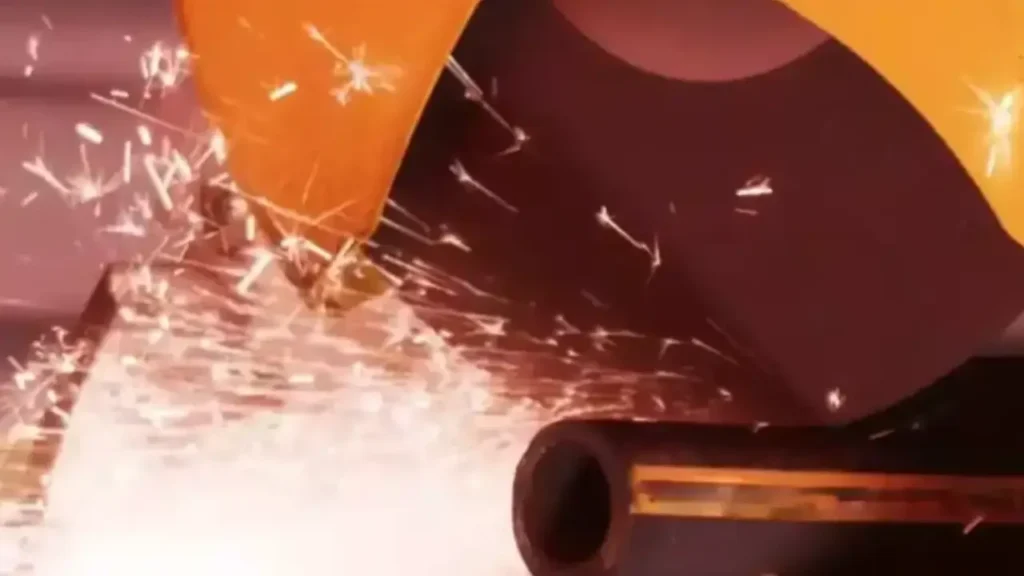
Choosing the right blade for cutting hydraulic hoses is essential for clean, precise cuts that prevent fraying, leaks, and system damage. The correct blade ensures proper hose end preparation, making installation easier and maintaining reliable, leak-free hydraulic system performance across industrial, automotive, and mobile applications.
- Utility Knife or Razor Blade – A sharp utility knife or razor blade is ideal for smaller hydraulic hoses. It allows precise, controlled cuts while minimizing fraying, ensuring the hose end seats securely in fittings for safe and leak-free operation.
- Hydraulic Hose Cutter – Dedicated hydraulic hose cutters provide straight, clean cuts for hoses of various diameters. They reduce the risk of crushing or deforming the hose, maintaining structural integrity and ensuring smooth, reliable fluid flow after installation.
- Rotary Cutter – Rotary cutters are useful for high-volume or larger hydraulic hoses. They produce consistent, even cuts with minimal effort, reducing fraying and ensuring the hose is properly prepared for fittings and long-lasting performance.
- Angle Grinder with Cutting Wheel – For very thick or reinforced hydraulic hoses, an angle grinder with a fine cutting wheel can be used. Careful handling prevents damage to the hose braid while producing a clean edge for safe connection.
- Specialty Hydraulic Hose Blade – Some manufacturers offer blades specifically designed for cutting hydraulic hoses. These blades are engineered to handle braided layers and tough tubing, providing precise, safe cuts that preserve hose integrity and ensure reliable, leak-free connections.
Tips to Ensure Hydraulic Hose Cutting Safety
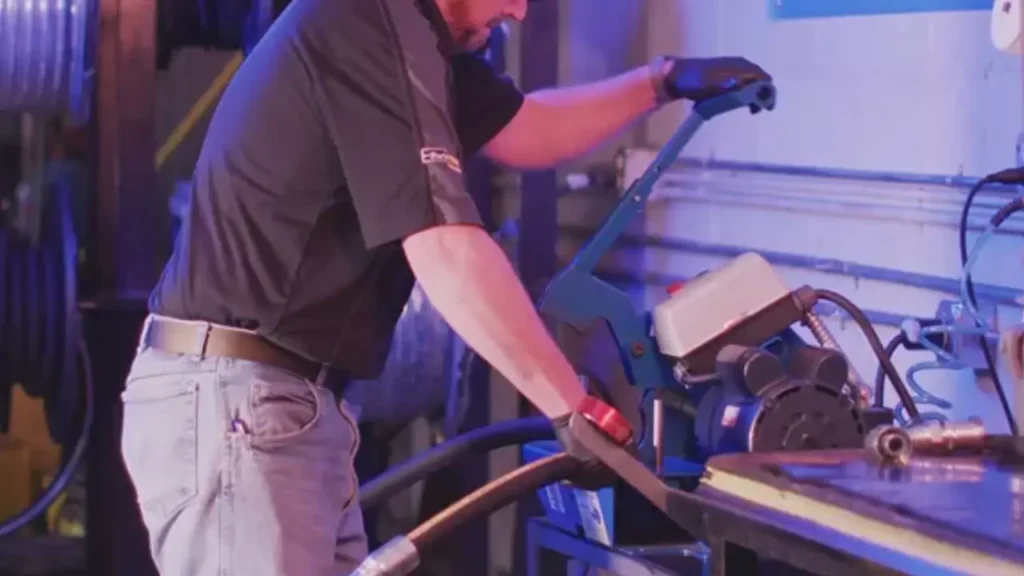
Cutting hydraulic hoses safely is critical to prevent injury, damage to hoses, and leaks in hydraulic systems. Using proper tools, protective equipment, and correct techniques reduces risks and ensures clean, precise cuts. Following safety precautions protects operators and maintains reliable, leak-free hydraulic hose performance in all applications.
- Wear Protective Gear – Always wear gloves, safety goggles, and appropriate clothing when cutting hydraulic hoses. Protective gear prevents cuts, punctures, or eye injuries from sharp blades, debris, or hose fragments during the cutting process.
- Secure the Hydraulic Hose – Stabilize the hose using clamps, tape, or a vise before cutting. Properly secured hoses prevent slipping or twisting, reducing the risk of uneven cuts, fraying, or accidental injury.
- Use the Right Cutting Tool – Choose a utility knife, hose cutter, rotary cutter, or specialty blade suitable for the hose type and diameter. Using proper tools ensures clean cuts and minimizes operator effort and safety hazards.
- Cut Slowly and Carefully – Apply steady, controlled pressure while cutting. Rushing the cut can cause the blade to slip, damage the hydraulic hose, or result in personal injury, compromising safety and hose integrity.
- Maintain a Clean Workspace – Keep the cutting area clear of debris and obstructions. A tidy workspace reduces tripping hazards, improves visibility, and ensures that hydraulic hoses and tools are handled safely during the cutting process.
Conclusion
Cutting a hydraulic hose requires precision and attention to detail. By following the steps outlined in this guide and using the right tools, you can safely and effectively cut your hoses. Remember to prioritize safety, wear protective gear, and always consult your equipment’s manual for specific instructions.
Our hydraulic hose manufacturer offers a wide range of wholesale hydraulic hoses to meet your specific needs. Our hoses are built to withstand demanding conditions and ensure optimal performance.
Contact us today to learn more about our products and services.