Hydraulic hose temperature rating plays a critical role in maintaining stable and efficient system performance. When a hose operates outside its recommended temperature range, material degradation can occur quickly. Excessive heat or extreme cold affects flexibility, pressure handling, and overall durability, increasing the risk of leaks, cracks, and unexpected system downtime.
Understanding temperature limits helps engineers and operators select hoses that match real working conditions. Proper temperature compatibility ensures consistent fluid flow, preserves reinforcement strength, and extends service life. By considering both internal fluid temperature and external environmental exposure, businesses can prevent premature failure and improve overall hydraulic system reliability.
What is Hydraulic Hose Temperature Rating?
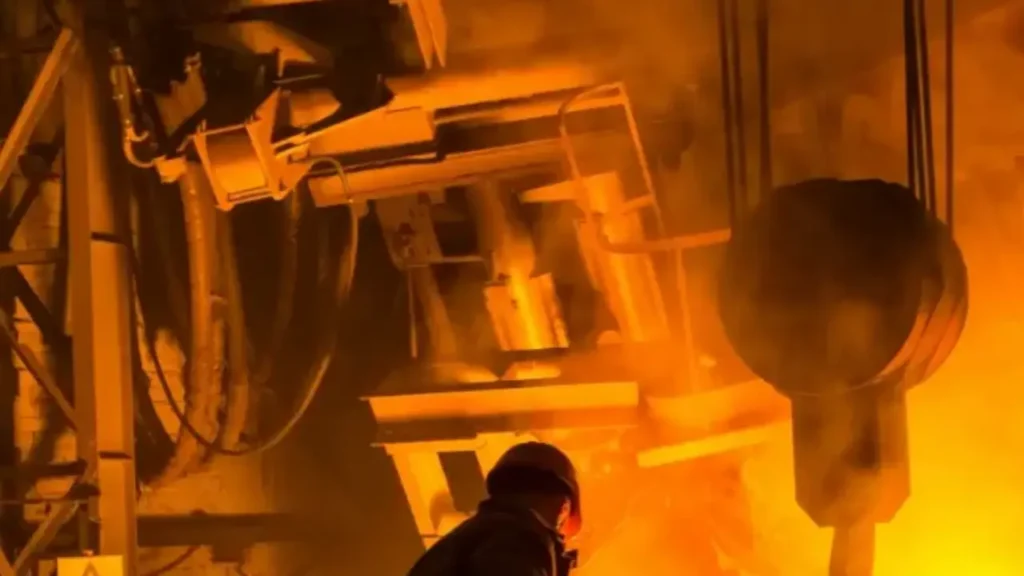
Hydraulic hose temperature rating refers to the specified temperature range within which a hose can safely operate without compromising its structure or performance. This rating includes both the minimum and maximum temperatures the hose materials can withstand, covering internal fluid temperature as well as the surrounding environmental conditions during operation.
When a hose operates beyond its rated temperature limits, the rubber tube, reinforcement layers, and outer cover can deteriorate more quickly. Excessive heat may cause hardening, cracking, or loss of strength, while extreme cold can reduce flexibility and increase brittleness. Staying within the recommended temperature range helps maintain pressure capacity, durability, and overall system reliability.
Why Hydraulic Hose Temperature Rating Matters?
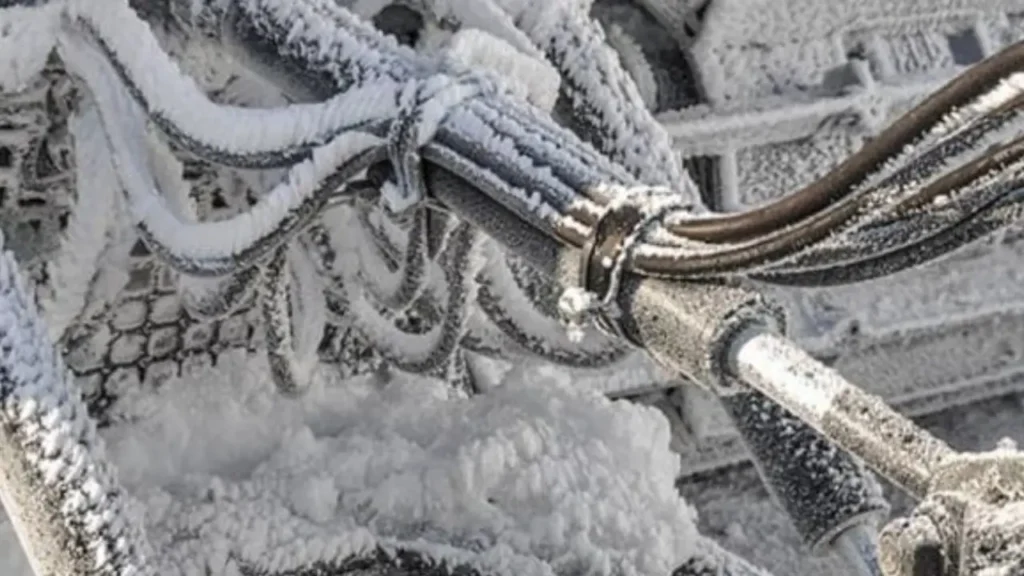
Hydraulic hose temperature rating directly affects system stability, safety, and long-term performance. When hoses operate outside their designed temperature range, material properties change, leading to accelerated wear and possible failure. Understanding why temperature rating matters helps prevent costly downtime, reduce maintenance frequency, and maintain consistent hydraulic efficiency in demanding industrial environments.
- Prevents premature material degradation: Excessive heat can harden rubber compounds, weaken bonding layers, and reduce reinforcement strength, while extreme cold can cause stiffness and cracking. Operating within the rated temperature range preserves flexibility and structural integrity, helping the hose maintain its designed pressure capacity and extending overall service life.
- Maintains stable pressure performance: Temperature fluctuations directly influence a hose’s ability to handle pressure. Overheating may lower burst resistance, while low temperatures can increase brittleness under load. Staying within the recommended temperature limits ensures the hose consistently performs at its rated working pressure without unexpected structural weakness.
- Reduces risk of leaks and sudden failure: Thermal stress accelerates aging and creates micro-cracks in the inner tube or outer cover. Over time, these small defects can develop into leaks or ruptures. Proper temperature selection minimizes thermal fatigue, reducing safety hazards and protecting both equipment and operators.
- Improves overall system efficiency: A hose operating within its correct temperature range supports smooth fluid flow and stable viscosity. Excess heat can degrade hydraulic fluid, while cold conditions may thicken it, affecting performance. Matching temperature ratings to real conditions ensures efficient energy transfer and reliable machine operation.
How to Determine Hydraulic Hose Temperature Rating?
Determining hydraulic hose temperature rating requires evaluating both system conditions and environmental exposure. It is not enough to consider only the hydraulic fluid temperature; ambient heat, external weather, and operational cycles also influence hose performance. Accurate assessment ensures the selected hose can withstand real working conditions without premature aging or structural failure.
- Check hydraulic fluid operating temperature: Start by identifying the normal and maximum temperature of the hydraulic fluid during operation. Fluid temperature directly affects the inner tube material. Always consider peak temperatures during heavy load cycles, not just average readings, to ensure the hose can handle real operating extremes safely.
- Evaluate ambient environmental conditions: External temperature plays a major role in hose durability. Equipment operating in hot industrial settings or cold outdoor climates faces additional thermal stress. Consider seasonal variations, radiant heat from nearby machinery, and confined spaces where heat buildup may exceed standard environmental assumptions.
- Review manufacturer specifications: Hose manufacturers provide detailed temperature ranges based on material composition and testing standards. Carefully compare these specifications with your system’s actual conditions. Never assume all rubber hoses have the same limits, as compound formulations and reinforcement designs can significantly differ.
- Account for temperature spikes and fluctuations: Rapid heating and cooling cycles can accelerate material fatigue. Systems with frequent start-stop operations or pressure surges may experience sudden temperature changes. Selecting a hose with a safety margin above expected maximum temperatures helps prevent long-term thermal degradation and unexpected failure.
Common Hydraulic Hose Temperature Ratings
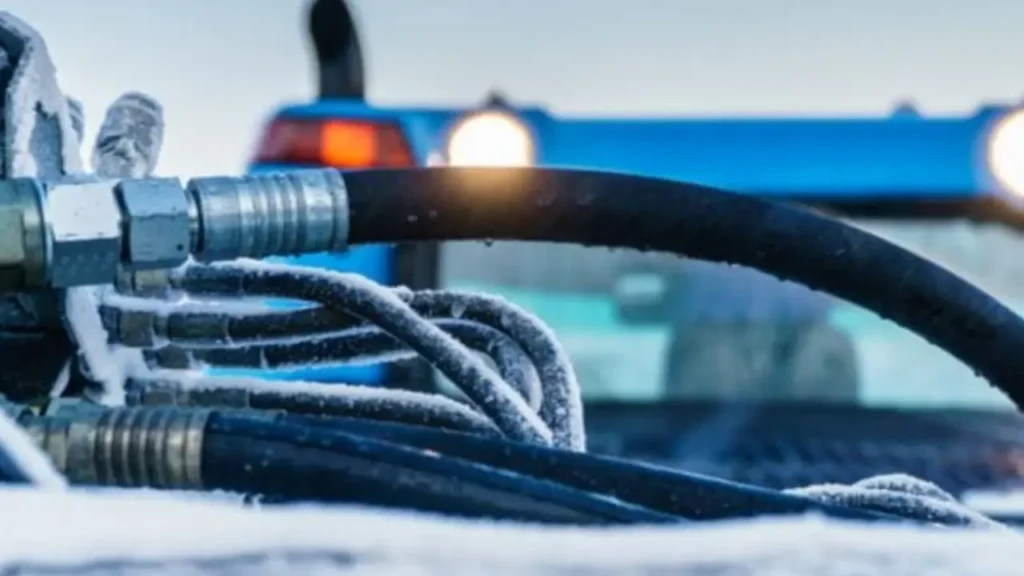
Hydraulic hoses are manufactured with different temperature ratings depending on material composition and intended applications.
Understanding common temperature ranges helps ensure proper selection for industrial, construction, and mobile equipment. Choosing the correct rating protects hose structure, maintains pressure performance, and prevents premature aging caused by excessive heat or extreme cold conditions.
- Standard rubber hydraulic hoses (−40°C to 100°C): These hoses are commonly used in general industrial and mobile hydraulic systems. They provide reliable flexibility and pressure handling within moderate temperature environments. However, continuous exposure near the upper limit may shorten service life, especially in applications with frequent pressure spikes or heavy-duty cycles.
- High-temperature resistant hoses (up to 125°C or 150°C): Designed with specialized rubber compounds or synthetic materials, these hoses can withstand higher fluid temperatures. They are suitable for heavy machinery, mining, and construction equipment where heat buildup is common. Selecting this rating reduces thermal degradation and maintains structural integrity under sustained high heat.
- Low-temperature flexible hoses (down to −50°C or lower): These hoses are formulated to remain flexible in extremely cold climates. They resist brittleness and cracking during winter operations or in refrigerated environments. Using low-temperature rated hoses ensures stable performance and prevents sudden failure caused by material stiffening.
- Thermoplastic hydraulic hoses (−40°C to 100°C or higher depending on design): Thermoplastic hoses offer excellent chemical resistance and lighter weight. Some advanced designs can tolerate higher temperatures than standard rubber hoses. They are often used in specialized applications requiring flexibility, abrasion resistance, and compatibility with certain hydraulic fluids.
Common Hydraulic Hose Temperature Rating Table
| Hose Type | Typical Temperature Range | Common Applications |
|---|---|---|
| Standard Rubber Hose | −40°C to 100°C | General industrial and mobile equipment |
| High-Temperature Rubber Hose | Up to 125°C–150°C | Mining, construction, heavy machinery |
| Low-Temperature Flexible Hose | Down to −50°C | Cold climates, outdoor winter operations |
| Thermoplastic Hydraulic Hose | −40°C to 100°C+ | Lightweight systems, chemical environments |
Factors Influencing Hydraulic Hose Temperature Limits
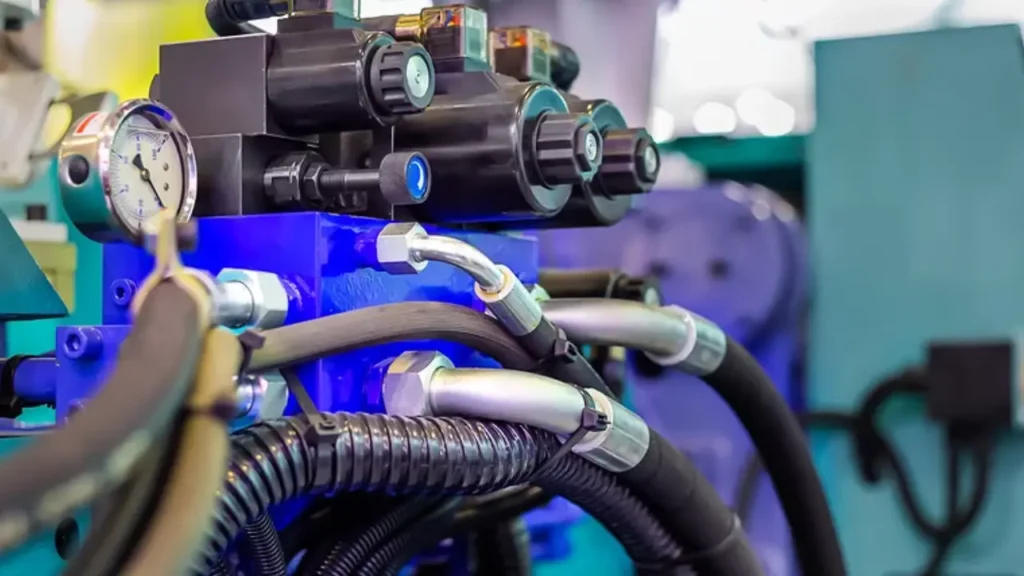
Hydraulic hose temperature limits are not determined by a single factor. Several technical and environmental conditions influence how much heat or cold a hose can safely withstand. Understanding these influencing factors helps ensure proper hose selection, prevent material degradation, and maintain stable hydraulic system performance under varying operational demands.
- Inner tube material composition: The type of rubber or thermoplastic used in the inner tube directly affects temperature tolerance. Different compounds respond differently to heat exposure and chemical interaction with hydraulic fluids. Selecting the appropriate material ensures resistance to softening, hardening, or cracking under sustained temperature stress.
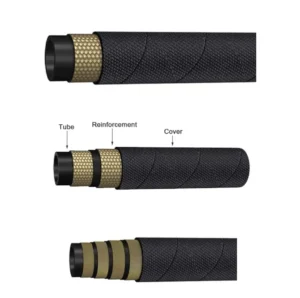
- Reinforcement layer structure: Steel wire braids, spiral reinforcements, or textile layers contribute to the hose’s strength and pressure capacity. High temperatures can weaken bonding between reinforcement and rubber layers. The reinforcement design and manufacturing quality significantly impact how well the hose maintains structural integrity under thermal load.
- Hydraulic fluid type: Some hydraulic fluids generate more heat or chemically interact with hose materials. Synthetic fluids, petroleum-based oils, or biodegradable options may affect temperature stability differently. Compatibility between fluid type and hose material is essential to prevent accelerated aging and internal tube deterioration.
- Ambient operating environment: External heat sources such as engines, exhaust systems, or direct sunlight can raise hose surface temperatures beyond fluid temperature alone. Cold outdoor climates also introduce thermal stress. Evaluating both internal and external temperature exposure ensures accurate assessment of the hose’s working limits.
- System pressure and duty cycle: High pressure combined with continuous operation generates additional internal heat. Frequent start-stop cycles and pressure spikes can create temperature fluctuations that accelerate material fatigue. Considering overall system workload helps determine whether a higher temperature-rated hose is necessary for long-term reliability.
Right Hydraulic Hose for Temperature-Sensitive Applications
Recommended Hydraulic Hoses
-
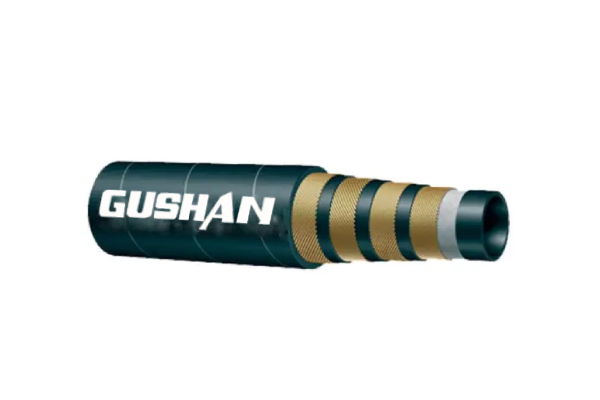
DIN EN856 4SH
-
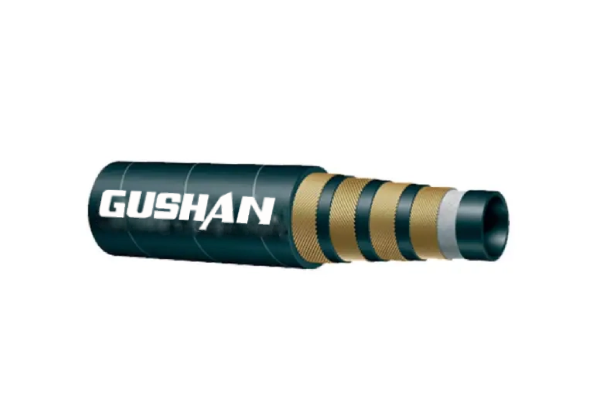
DIN EN856 4SP
-
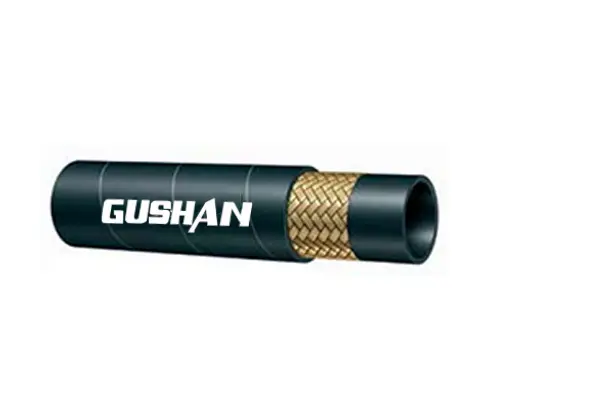
DIN EN857 1SC
-
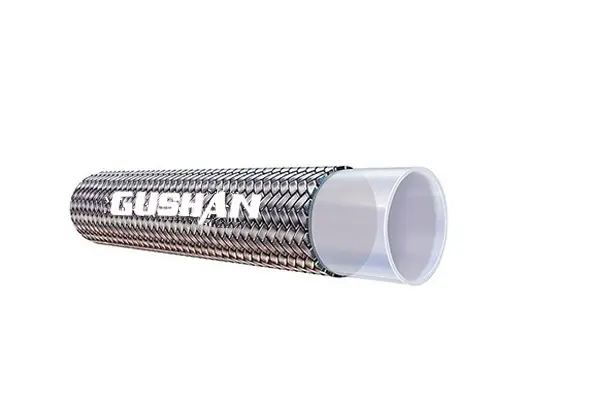
SAE 100 R14
-
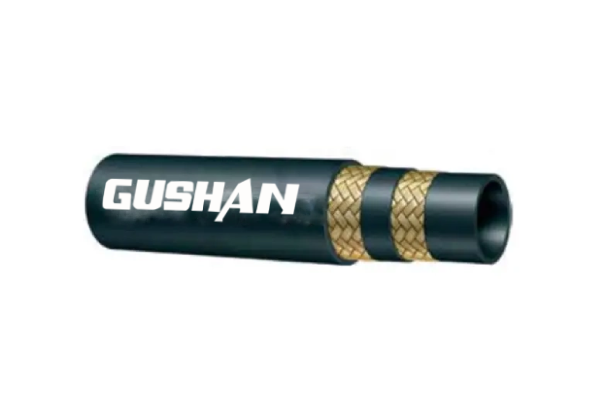
DIN EN857 2SC
-
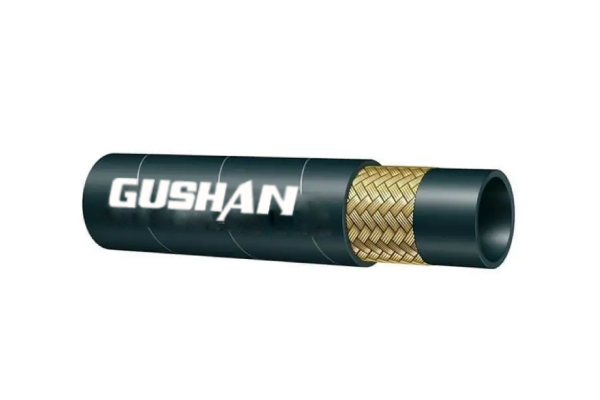
SAE 100R 1A / DIN EN853 1ST
-
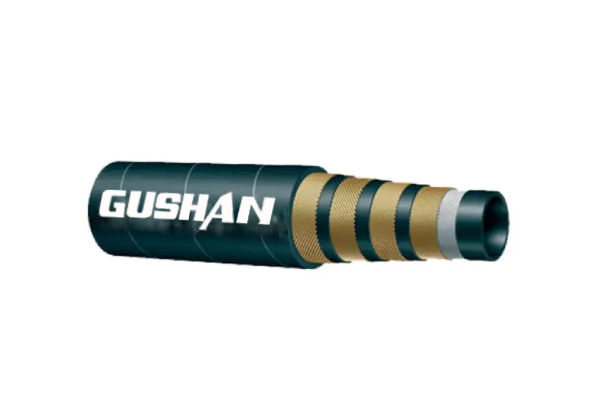
SAE 100R12
How to select the right hydraulic hose for extreme temperatures?
Choosing the right hydraulic hose for temperature-sensitive applications is critical to maintaining system reliability and preventing premature failure. Hoses exposed to extreme heat or cold require careful material selection and proper installation.
Matching hose specifications to operating conditions ensures consistent fluid flow, preserves reinforcement strength, and extends service life in demanding environments.
- Select hoses with appropriate temperature ratings: Always choose hoses rated for the minimum and maximum expected temperatures in your application. High-temperature hoses resist softening and cracking, while low-temperature hoses remain flexible in cold conditions. Correct rating prevents structural damage and maintains safe, reliable operation.
- Consider fluid compatibility: Temperature-sensitive applications often involve fluids that can degrade hose materials at certain temperatures. Using hoses compatible with the hydraulic fluid prevents swelling, hardening, or chemical breakdown. Proper matching of hose material and fluid type ensures stable performance and longevity.
- Protect hoses from external thermal exposure: When hoses run near engines, exhausts, or direct sunlight, external heat can accelerate aging. Protective sleeves, insulation, or strategic routing shields hoses from thermal stress. This reduces the risk of leaks, cracks, and sudden failures caused by temperature extremes.
- Monitor system pressure and workload: High pressures combined with temperature fluctuations place extra stress on hose reinforcement. Applications with frequent start-stop cycles or surge events require hoses with both temperature and pressure tolerance. Selecting hoses with adequate safety margins ensures consistent performance under challenging conditions.
- Regular inspection and maintenance: Even with the right hose, continuous monitoring is essential. Check for soft spots, cracks, or outer cover damage caused by thermal stress. Proactive inspection allows early replacement, preventing downtime and maintaining system efficiency in temperature-sensitive hydraulic applications.
Conclusion
Temperature rating is not just a specification on paper; it directly influences safety, maintenance costs, and operational efficiency. Selecting hoses designed for actual working temperatures minimizes breakdown risks and protects connected components. Careful planning and correct hose selection ensure long-term stability in demanding hydraulic and industrial environments.
Regular monitoring of operating temperatures and scheduled inspections further extend hose lifespan. Replacing hoses before severe thermal damage occurs prevents sudden downtime and costly emergency repairs. Investing in the right temperature-rated hose ultimately protects equipment performance, reduces total ownership costs, and supports continuous productivity in heavy-duty applications.
For projects requiring reliable drilling and foundation equipment, partnering with a trusted supplier is equally important. Beyond hydraulic solutions, you can also source wholesale piling drilling tools from Sinodrills to support construction and infrastructure operations. Choosing dependable products and suppliers ensures consistent performance across every stage of your project.