Understanding EN standards is essential for anyone working with hydraulic hose systems across Europe. These regulations define performance, safety, and testing requirements, helping users choose hoses that meet strict operational demands. By following them, businesses reduce failures and improve reliability in demanding hydraulic environments.
Across industries like construction, agriculture, mining, and transportation, EN-compliant hoses provide consistent performance and predictable behavior under pressure. Knowing how these standards work allows buyers, engineers, and distributors to make informed decisions and ensure every system runs smoothly, safely, and in line with European expectations.
What is EN Standard?
EN Standard refers to a set of European Norms that define safety, quality, and performance requirements for products used across Europe. These standards ensure consistency, reliability, and compatibility between manufacturers and industries.
In the hydraulic hose field, EN standards outline testing, construction, and pressure ratings, helping users select hoses that meet strict European operational expectations and safety rules.
EN Standard Hydraulic Hose Requirements
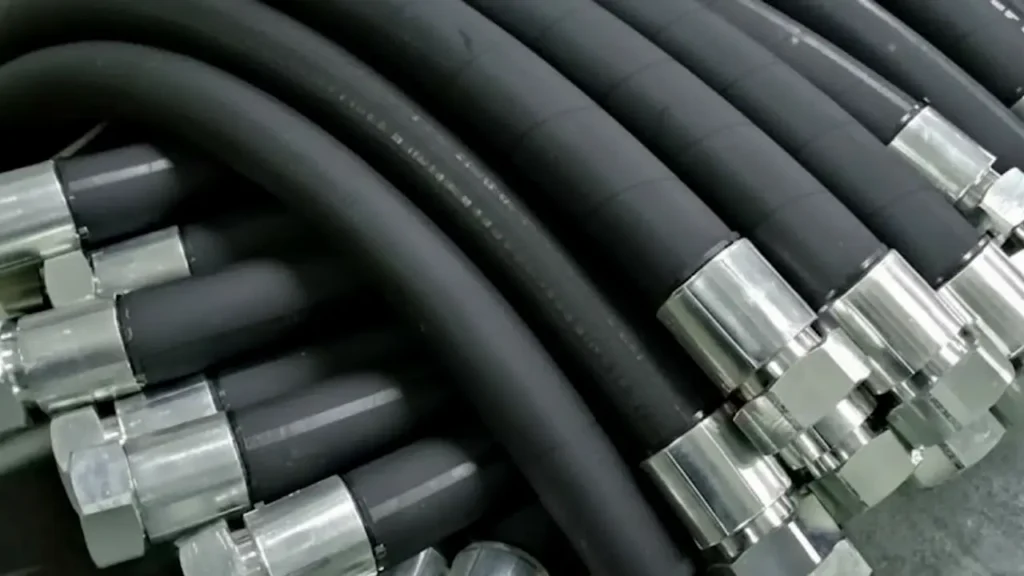
Understanding EN Standard hydraulic hose requirements helps users ensure their systems meet European expectations for safety, durability, and consistent performance. These standards outline how hoses should be constructed, tested, and labeled, giving engineers and buyers a reliable benchmark when choosing hoses for demanding hydraulic applications across different industries.
EN Standard Hydraulic Hose Requirements
- Pressure Rating Compliance – EN standards outline precise working and burst pressure limits, ensuring every hose can handle continuous loads, sudden spikes, and repetitive system stress, reducing failure risks and helping equipment operate safely and consistently across a wide range of industrial hydraulic applications.
- Material and Construction Rules – These standards define rubber compounds, reinforcement layers, flexibility ranges, and temperature resistance, ensuring hoses stay stable under bending, vibration, abrasion, and exposure to hydraulic fluids, allowing long-term reliability even when used in demanding, fast-paced, or harsh operating environments.
- Testing and Verification Procedures – EN guidelines require strict testing such as impulse cycles, leak checks, dimensional accuracy, and adhesion strength, confirming that hoses perform predictably under real-world pressures and reducing unexpected downtime caused by system failures, maintenance issues, or unpredictable operating conditions.
- Labeling and Traceability – Hoses must display EN codes, pressure ratings, dimensions, and production details, giving technicians quick identification and ensuring replacements are correct, helping maintain compliance, streamline inspections, and support efficient maintenance schedules across various hydraulic systems and equipment setups.
- Compatibility and Fitting Standards – EN rules ensure hoses match safely with European-standard fittings and connectors, preventing leaks, blowouts, and mechanical stress while improving long-term performance, reducing safety risks, and cutting maintenance costs across hydraulic systems operating in both light and heavy industrial settings.
What is the Difference Between EN853 and EN 857?
Recommended EN Standard Hydraulic Hoses
-
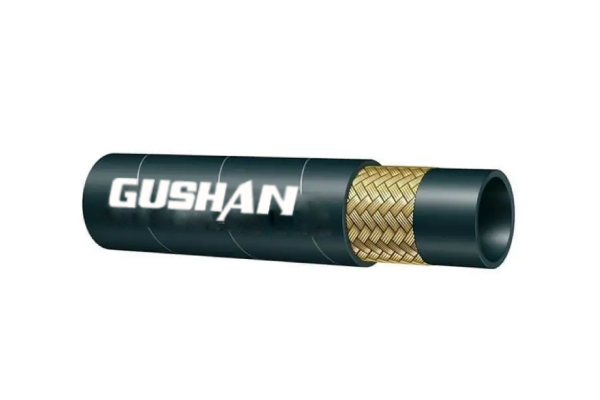
SAE 100R 1A / DIN EN853 1ST
-
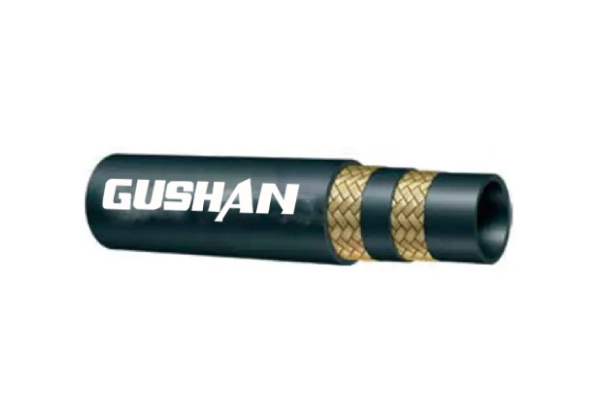
SAE 100R 2A / DIN EN853 2ST
-
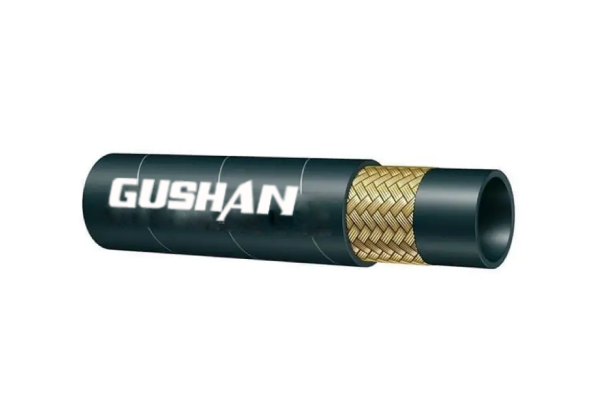
SAE 100R1AT/ DIN EN853 1SN
-
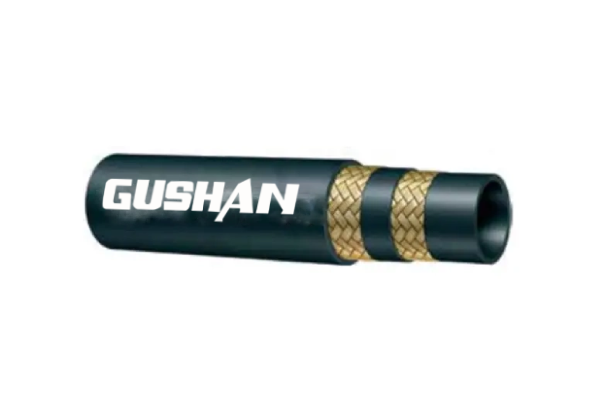
SAE 100R2AT / DIN EN853 2SN
-
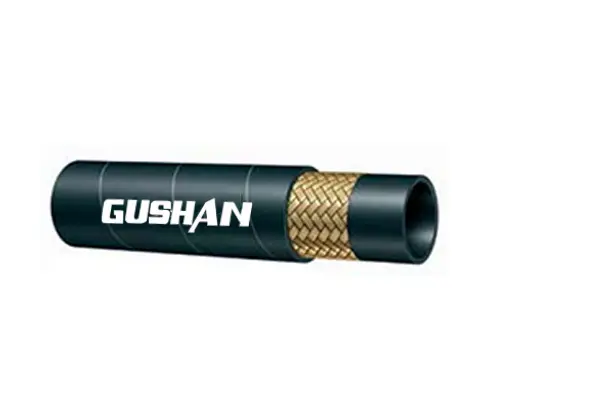
DIN EN857 1SC
-
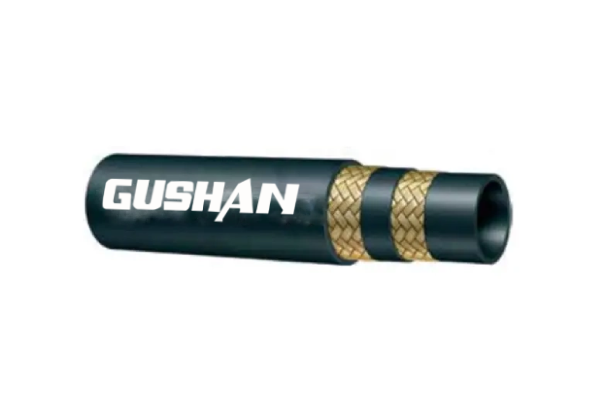
DIN EN857 2SC
Understanding the difference between EN 853 and EN 857 helps buyers, engineers, and maintenance teams choose the correct hydraulic hose for their systems. Both standards define performance and construction requirements, but they serve different pressure levels, reinforcement designs, and application conditions. Knowing these distinctions prevents mismatches and improves hydraulic reliability.
- Reinforcement Structure – EN 853 hoses usually feature stronger wire reinforcement designed for higher-pressure conditions, while EN 857 hoses use a compact, lighter reinforcement structure. This difference allows EN 853 to handle heavier-duty applications, whereas EN 857 suits tighter spaces and flexible routing in moderate-pressure systems.
- Pressure Rating Range – EN 853 hoses generally support higher working pressures across all sizes, making them suitable for demanding industrial machinery. EN 857 hoses cover lower pressure ranges but still offer reliable performance, making them ideal for medium-duty systems where space, weight, and flexibility matter more than maximum pressure capacity.
- Hose Dimensions and Flexibility – EN 857 hoses are designed to be slimmer and more flexible, enabling easier installation in compact layouts. EN 853 hoses follow a more traditional, thicker hydraulic hose profile, offering durability and strength but requiring more space for routing and bending during system assembly.
- Typical Applications – EN 853 is preferred for construction equipment, mining machinery, and other heavy-pressure hydraulics due to its robust build. EN 857 fits agricultural machines, compact industrial systems, and general-purpose hydraulics where flexibility, maneuverability, and lighter hose designs are more important than extreme pressure capability.
- Temperature and Durability Performance – Both standards perform well under typical hydraulic oil temperatures, but EN 853 hoses are built for more severe duty cycles. EN 857 hoses maintain solid durability but are optimized for space-saving designs rather than extreme, prolonged pressure loads in heavily stressed hydraulic systems.
Here are some differences between EN853 and EN857 hydraulic hoses in the following chart
| Feature | EN 853 | EN 857 |
|---|---|---|
| Reinforcement | Stronger, heavier wire reinforcement | Compact, lighter reinforcement |
| Pressure Rating | Higher pressure capability | Medium pressure capability |
| Flexibility | Less flexible, thicker profile | More flexible, slimmer profile |
| Typical Use | Heavy-duty industrial and mobile machinery | Compact or medium-duty hydraulic systems |
| Durability | Designed for harsh, demanding cycles | Reliable but optimized for tight installation spaces |
Other Hydraulic Hose Testing Standards
Beyond EN standards, several global testing systems help ensure hydraulic hoses meet strict performance and safety expectations. These standards outline how hoses must be evaluated for pressure, impulse cycles, temperature endurance, and long-term durability. Knowing these guidelines helps users compare options and choose hoses that match their hydraulic system requirements.
- SAE J517 Standard – SAE J517 defines construction, performance limits, and testing methods for hydraulic hoses widely used in North America. It includes pressure verification, impulse testing, and dimensional checks, ensuring hoses deliver stable performance under heavy loads and continuous operation across a broad range of industrial equipment.
- ISO 18752 Standard – ISO 18752 classifies hoses based on constant pressure categories rather than size-based pressure ratings. This approach simplifies hose selection, improves system compatibility, and ensures predictable performance during temperature changes, vibration, and pressure surges in demanding environments where consistent reliability is essential.
- DIN Standards (German Industrial Norms) – DIN hydraulic hose standards specify burst pressure, impulse life, and construction requirements designed for German engineering expectations. These guidelines help users find hoses suitable for precise, high-performance systems where durability, accuracy, and long-term operational stability are crucial for overall system safety.
- JIS Standards (Japanese Industrial Standards) – JIS hydraulic hose standards define quality, dimensional accuracy, and performance testing for hoses used in Japanese machinery. They help ensure compatibility with compact hydraulic systems, providing reliable function during high-speed operation, frequent movement, and environments requiring tighter bending radiuses.
- API Hose Testing Standards – API standards focus on hoses used in oil and gas operations, covering extreme pressure resistance, fluid compatibility, and harsh environmental conditions. These tests help confirm that hoses can withstand offshore, drilling, and hydraulic fracturing environments where failure risks are significantly higher.
Conclusion
EN standards give users a clear, dependable framework for selecting hydraulic hoses that perform well under European safety and performance expectations. When companies understand these guidelines, they avoid compatibility issues, prevent dangerous failures, and improve service life across their hydraulic systems. The result is safer operations and more reliable day-to-day performance.
As industries grow more demanding, having hoses that meet EN requirements becomes even more important. These standards help unify performance benchmarks, simplify product selection, and ensure that hoses remain dependable under tough working conditions. Following them isn’t just about compliance—it’s about long-term operational confidence.
If you’re looking to source dependable hydraulic hoses that meet strict European expectations, partnering with a supplier that understands EN standards is key. For consistent performance and dependable supply, you can get wholesale hydraulic hoses from our Gushan Rubber, ensuring your systems stay safe, efficient, and ready for the demands of modern industry.